-
How Do I Choose Between Wood, Vinyl, and Metal Fence Materials?
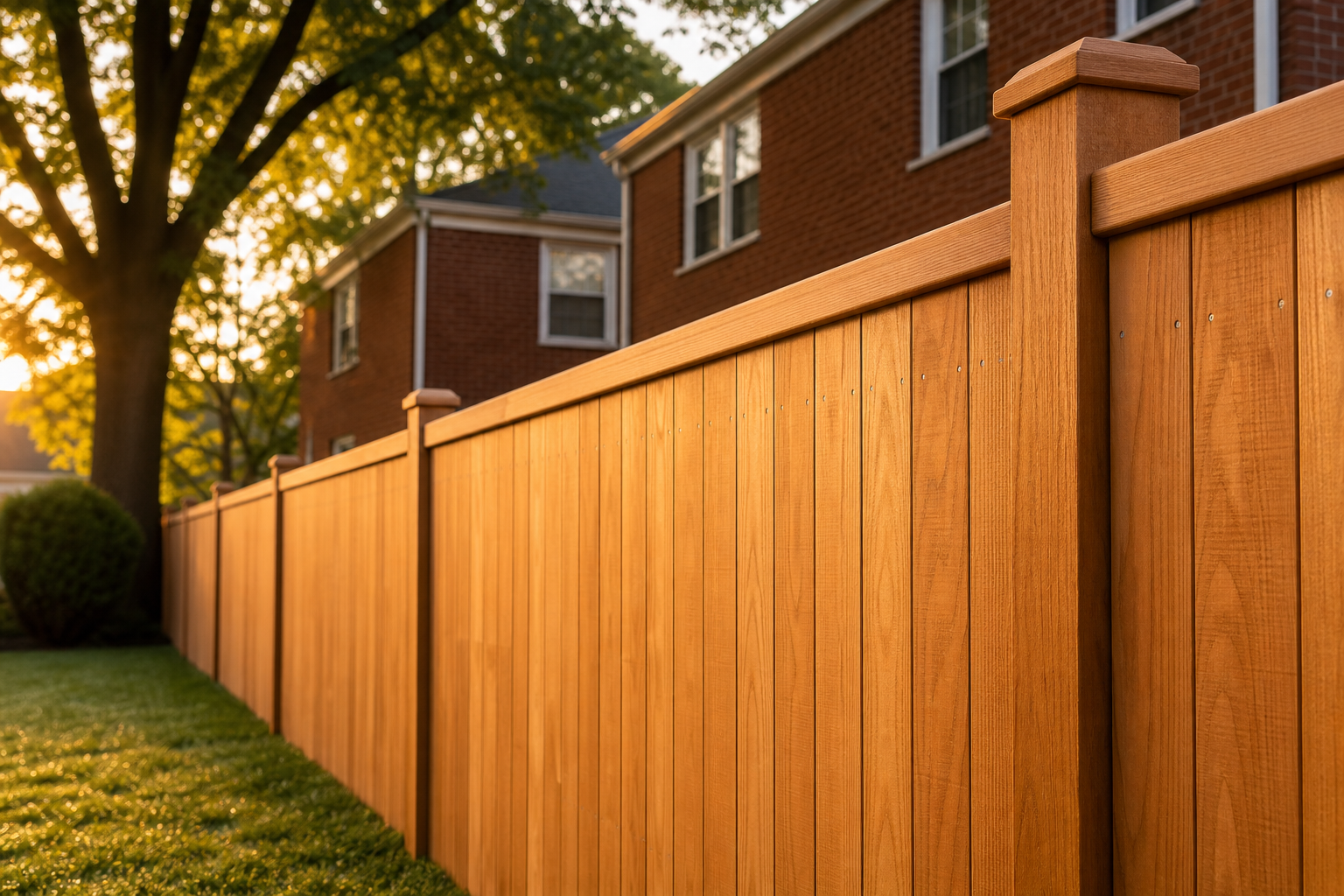
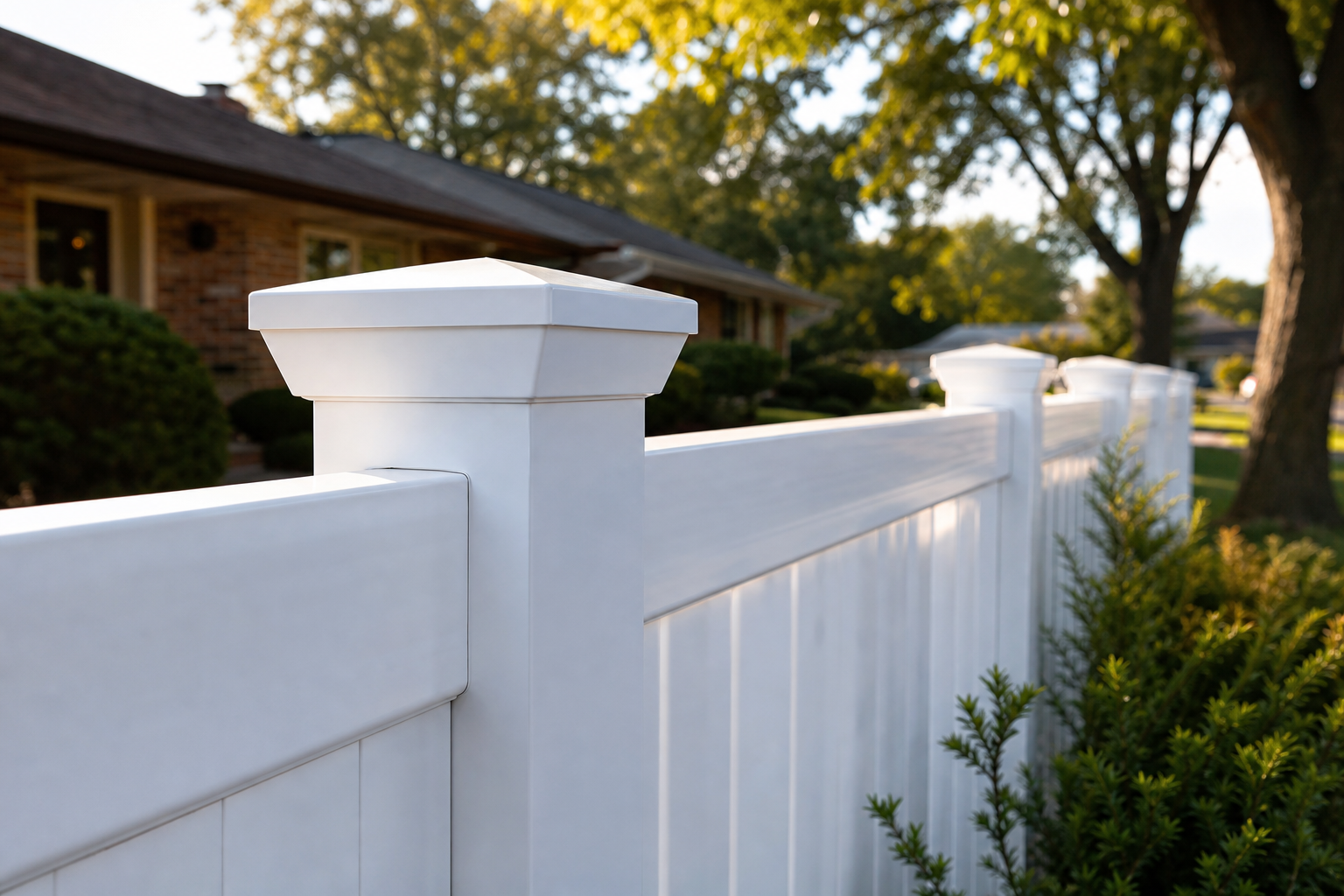
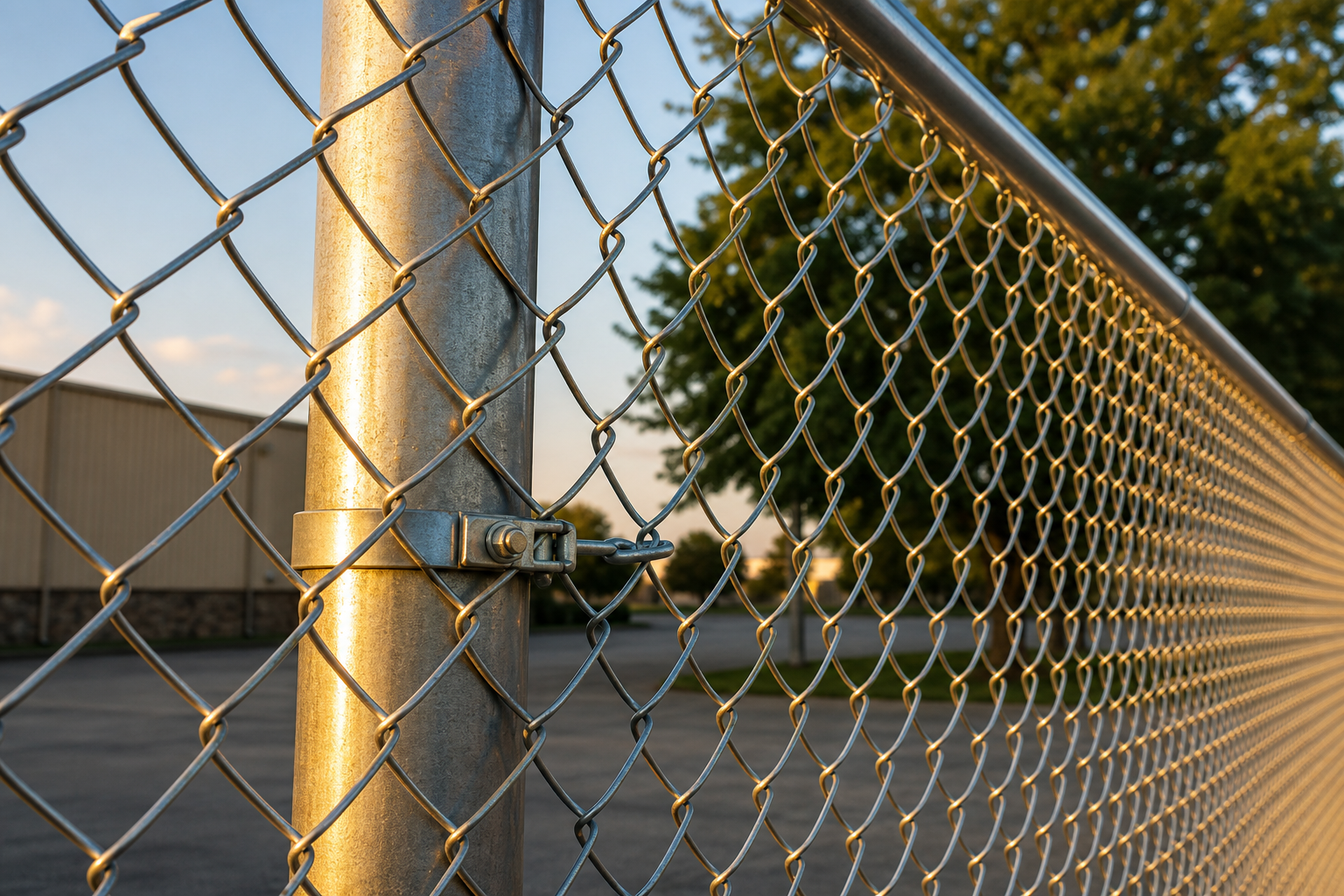
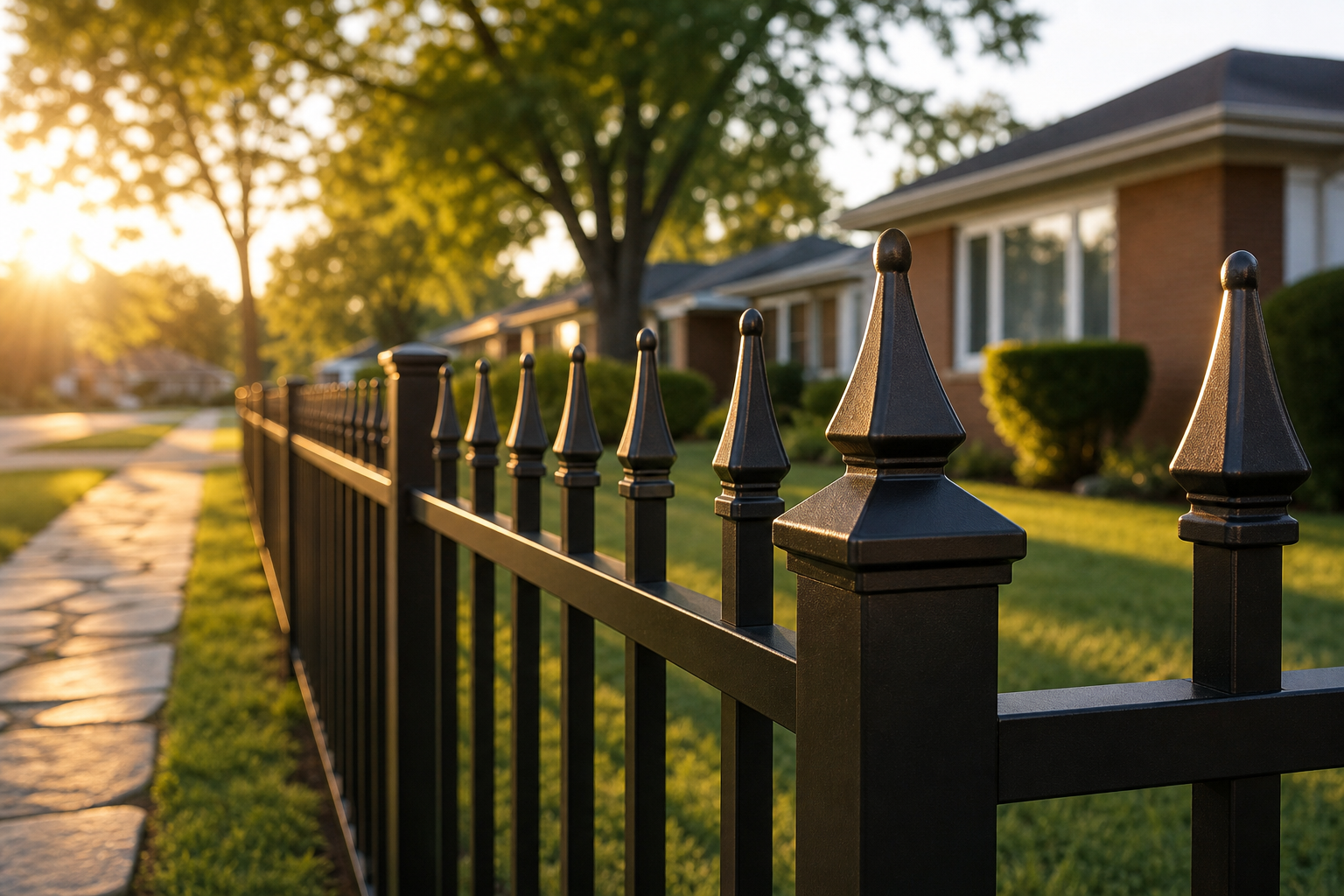
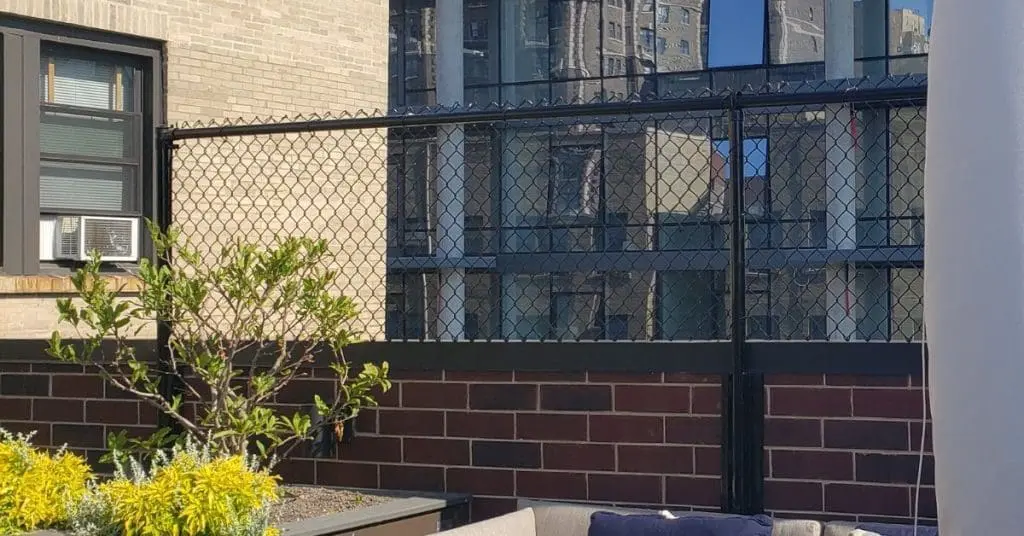
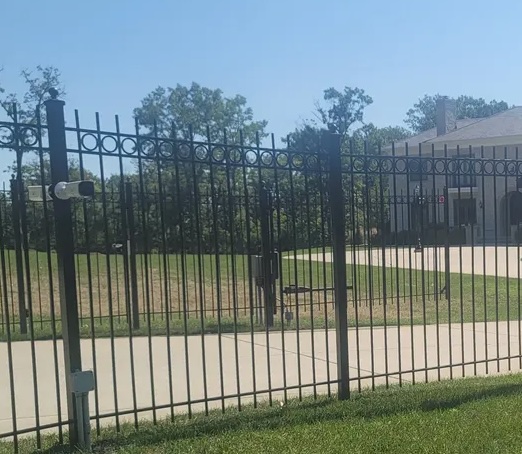
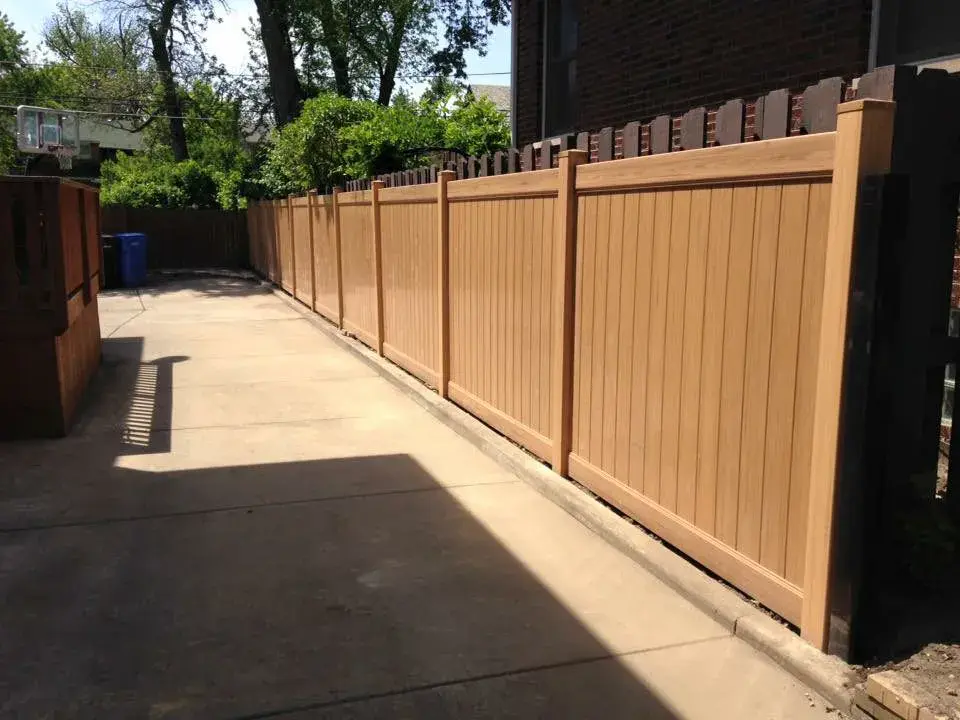
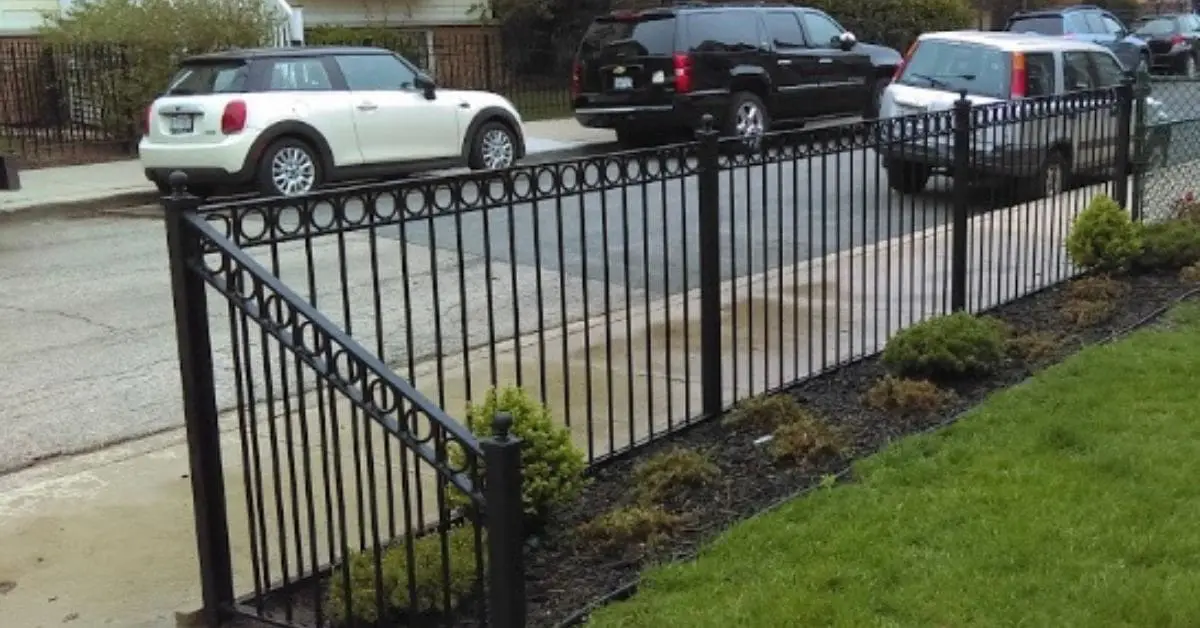
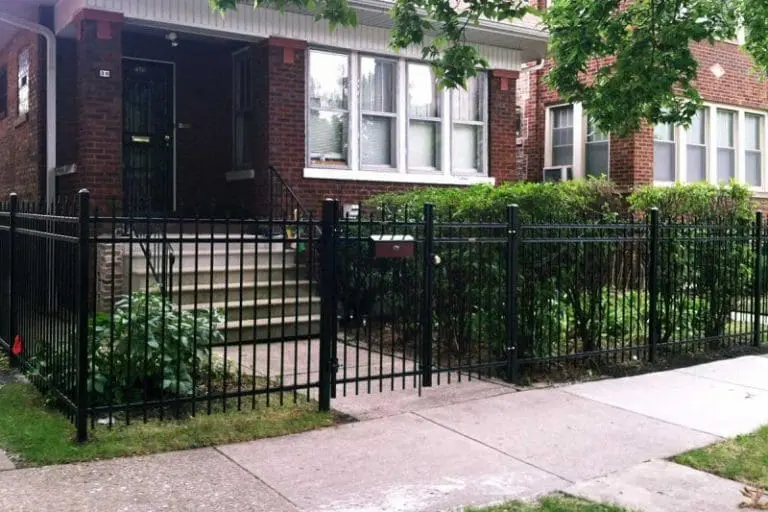
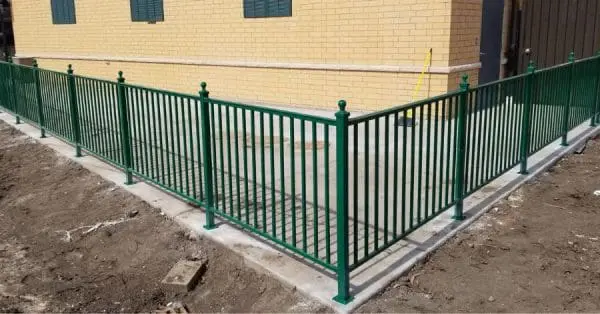
Start with what the fence must do. Wood Privacy Fence offers the most visual seclusion and can be stained or painted, but needs periodic upkeep. Vinyl resists moisture and rot with minimal cleaning. Chain Link Fence delivers visibility and value, while Wrought Iron Fence, Aluminum Fence, and Steel Fencing trade privacy for slim sightlines and long service life. Matching the material to purpose usually decides the choice.
-
What Fence Type Works for Backyards, Pools, and Commercial Perimeters?
Residential projects usually center on backyards and pool areas, where Wood Privacy Fence and Vinyl Fence define the yard line and screen neighboring views. Commercial sites lean toward Chain Link Fence and Steel Fencing for warehouse lots, parking areas, and storage yards where supervisors need clear sightlines and controlled entry points. Both segments can add matching gates, so the layout, not the customer type, drives the final recommendation.
-
Do Fence Projects in Elk Grove Village Need a Permit?
Many fence projects require a permit, and rules vary by zoning district, so confirm current requirements with the Village of Elk Grove Village before ordering materials. Height limits, setback lines, corner visibility triangles, and easements can all affect where posts may stand. We plan around those constraints and review a property survey during the site assessment, but approval always rests with the municipality.
-
How Do I Find My Property Line Before Installing a Fence?
Check the survey that came with your property records, or ask the Village or a licensed surveyor to confirm the line and any easements. Fence Installation in Elk Grove Village should sit inside your boundary, and utility locates are arranged before digging so underground lines are not disturbed. When the line is unclear, we plan a small setback rather than risk a dispute with a neighbor.
-
What Affects the Cost of Fence Installation in Elk Grove Village?
Material, total run, gate count, terrain, access, and whether an old fence must first be removed all move the number. Height and panel style matter too, since taller privacy panels need deeper posts and more material. We do not quote a single figure by phone; instead we review measurements and conditions, then present a written scope you can compare line by line before deciding.
-
How Long Does a Typical Fence Installation Take?
Most residential runs are measured in days, not weeks, once materials arrive and the layout is confirmed. A straightforward backyard fence is quicker than a long commercial perimeter with several gates and access-control hardware. Weather, ground conditions, and permit timing can shift the schedule, so we confirm sequence and expected working days in advance rather than promising a fixed completion date.
-
Can You Match the Style of an Existing Fence?
Often, yes. We compare board width, profile, height, post spacing, hardware, and finish so a new section blends with what is already standing. Wood and vinyl can usually be matched closely, especially when the existing fence is standard. Metal profiles vary by manufacturer, so we review the current panels first and tell you honestly when an exact match is not realistic.
-
How Do You Repair Storm Damage or Leaning Posts?
A leaning post usually means the footing has shifted, not that the whole fence has failed. We check the post base, rails, and panel connections, then reset or replace only the damaged sections where possible. Winter freeze-thaw movement and heavy snow can loosen footings, so repairs often include re-setting the concrete base to restore alignment. A brief assessment tells you whether repair or partial replacement makes more sense for your budget.
-
Can You Remove and Dispose of an Old Fence?
Yes. Removal is usually handled as part of the same project so new posts can be set in clean, corrected locations. We discuss what comes out, how the crew accesses the yard or lot, and how debris leaves the site. Concrete footings, rusty panels, and overgrown vegetation along the line can add labor, so we note those conditions before work begins.
-
How Much Privacy Does a Fence Actually Provide?
It depends on height, board spacing, and panel overlap. Solid wood and vinyl designs block sightlines best, while Chain Link Fence and ornamental metal keep the property defined but visible. Garden screening, lattice toppers, or a taller privacy panel can raise the effective screen where local height rules allow. We match the fence design to how much of your yard you want to keep out of view.
-
Do Fences Improve Security and Access Control?
A well-built perimeter makes entry points obvious and slows casual trespass, but no fence guarantees complete security. Chain Link Fence, Steel Fencing, and Wrought Iron Fence pair naturally with gates, locks, and access-control hardware for warehouses, storage yards, and restricted areas. Cameras, lighting, and site procedures still matter. The practical goal is a defined boundary, controlled entry, and fewer unmonitored gaps along the line.
-
What Maintenance Do Different Fence Materials Need?
Wood needs periodic sealing, staining, or painting and a check for warped boards after wet seasons. Vinyl generally wipes clean with soap and water and holds color without refinishing. Chain Link Fence, Aluminum Fence, and Steel Fencing need only occasional inspection of fasteners, coatings, and hardware. Whatever the material, walk the line once a year and tighten or replace anything loose before small issues grow.
-
Are Automatic Gates and Entry Systems Available?
Yes, gates are planned alongside the fence line so hinges, posts, and clearances suit the swing or slide direction. Automatic operators, keypads, intercoms, and access-control readers can be coordinated for driveways, tenant entries, and commercial yards. Gate width matters for delivery vehicles, so we ask how the opening will be used before recommending hardware or confirming the opening size.
-
What If My HOA Has Fence Rules?
Many homeowner associations require written design approval before work starts, and their standards can be stricter than the village code on height, material, and color. Send us the HOA packet or architectural guidelines with your plan and we will align the design where possible. Approval stays with the association, so it is worth starting that paperwork early.
-
What Should I Prepare Before Requesting a Fence Quote?
Have a rough idea of the run length, how many gates you need, and any photos of the area or a copy of your survey. Mention access constraints, an HOA, or a pending real estate closing, since those affect scheduling. You can reach the team at (773) 312-3051 during business hours or through the contact page to arrange a free on-site assessment.