-
Which fence material makes the most sense for my yard?
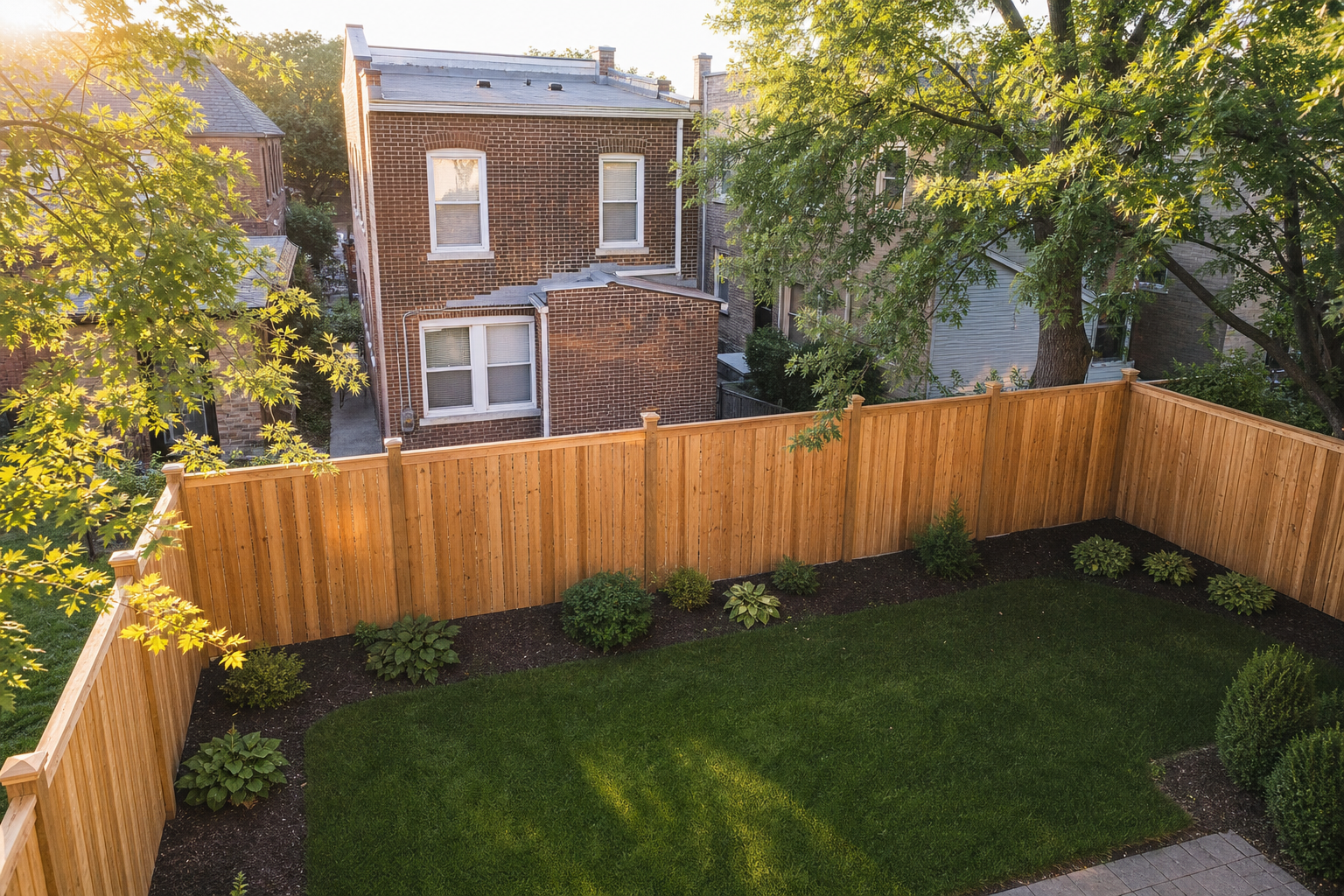
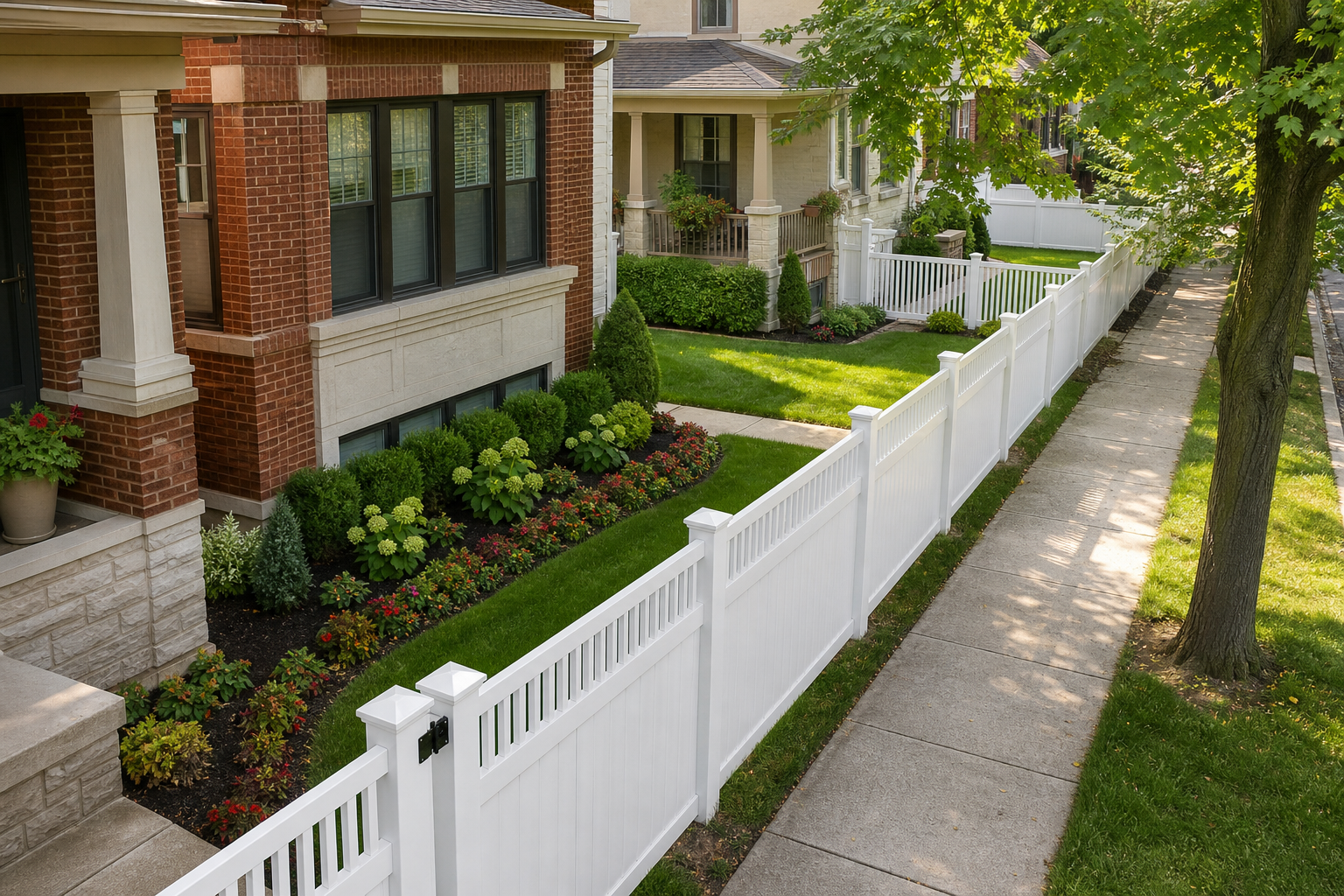
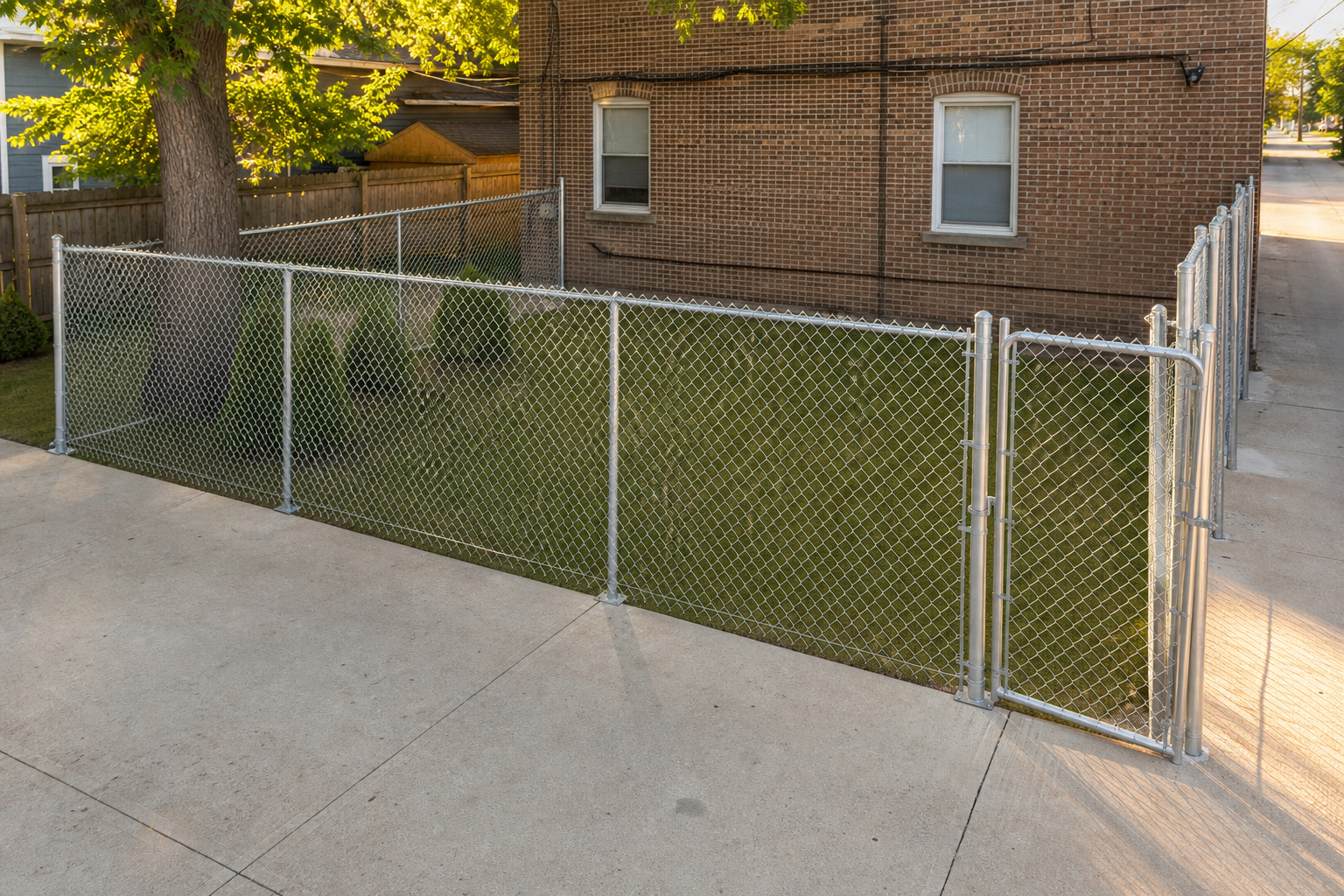
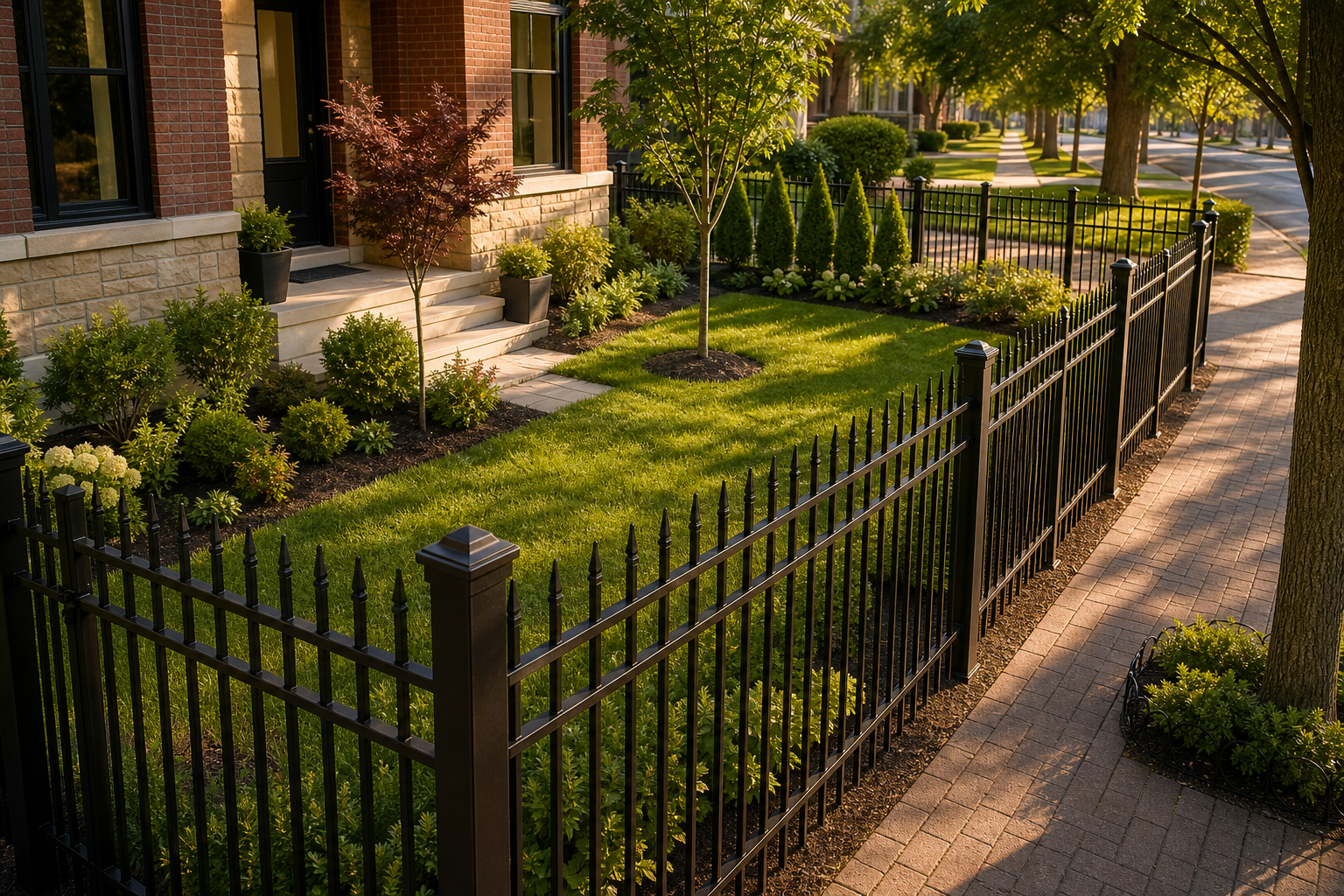
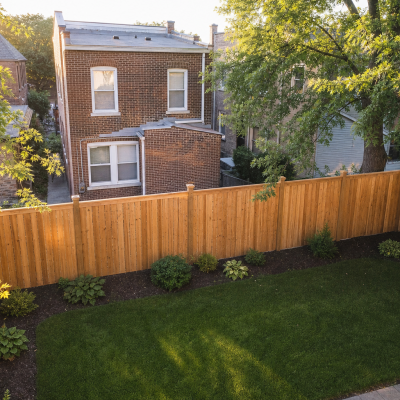
It depends on what you need the fence to do. Wood Privacy Fence suits older Elgin lots where neighbors share a line and you want solid screening in a narrow side yard. Vinyl Fence needs less upkeep through wet, freeze-thaw conditions, Chain Link Fence covers large or utility-heavy areas, and Wrought Iron, Aluminum and Steel Fencing fit front-yard definition where visibility matters. Share your priority and a walkthrough narrows the choice.
-
What actually drives the cost of a fence in Elgin?
Linear footage, fence height, gate count, and whether the old fence must come out first move the number most. Slope, tight side-yard access, and soil along the Fox River corridor can add labor, and material grade — board thickness in wood or gauge in Chain Link Fence — changes the total. Exact figures need a walkthrough, since no two Elgin layouts measure the same.
-
Do I need a permit to build a fence in Elgin, IL?
Fence rules here depend on height, location, and property type, and Kane County permitting context applies to some parcels. Before digging, confirm the property line and any easements, then have utilities marked. Our crew plans with those local requirements in mind, but final approval always comes from the applicable local authority — we do not issue permits or guarantee approval.
-
How long does a typical fence project take?
Most residential runs are measured in days, not weeks, but the schedule depends on total linear footage, material, and whether an existing fence has to be removed and hauled away. Concrete curing for posts, weather, and site access all factor in. Commercial perimeter work staged around operating hours can take longer. You get a realistic window in writing, not a same-day promise.
-
Can you install a fence in a narrow side yard?
Yes, and it comes up often on older core lots where houses sit close together. Narrow side yards usually mean smaller panels, careful post placement, and planning around AC units, downspouts, and gate swing clearance. Crews often hand-carry material to the backyard instead of running equipment through. A quick walkthrough shows what will actually fit before you commit to a design.
-
Do newer subdivisions follow different fence rules?
Often they do. Newer subdivisions frequently carry recorded appearance standards on top of local code — approved colors, height limits, and sometimes one material for the whole street. Those rules can be stricter than what the city allows, so it pays to check association documents before ordering material. We build to the stricter set of requirements and flag conflicts early rather than after posts are set.
-
How do gates and access control fit into a fence project?
Gate placement is decided with the fence layout, not after it. Driveway gates, walk gates, and self-closing hardware each change post spacing, hinge reinforcement, and clearance. For commercial frontage, sliding or automated gates can be paired with access control so entries stay managed without leaving permanent openings in the perimeter. Tell us who needs to get through, how often, and whether vehicles are involved.
-
Can you remove and dispose of my existing fence?
Yes. Removal usually means pulling posts, breaking out concrete footings, and hauling old material away, which is why it is quoted as part of the scope rather than as a hidden add-on. Plantings, irrigation lines, and buried obstacles near the old posts get flagged first. If part of the fence is still sound, we can talk about a partial replacement instead of tearing everything out.
-
Can a new fence match the style already installed?
Usually, yes. Matching means more than buying the same material — board width, picket spacing, rail height, post caps, and finish color all need to line up, and weathered wood rarely matches new wood without a plan. We can extend a run in the same profile, replace a damaged section, or blend a new gate into an existing line so the transition is not obvious from the street.
-
How do you handle fence lines on uneven or damp ground?
Slope and drainage decide post depth and panel stepping, and backyards near the Fox River can stay damp enough to matter. Posts are set below the local frost line so freeze-thaw cycles do not push them out of plumb, and panels can be racked or stepped to follow grade. In low spots, we discuss whether a small retaining detail is worth adding first.
-
What maintenance does each fence type need in Illinois weather?
Wood Privacy Fence needs periodic sealing or staining and the occasional board replacement. Vinyl Fence is mostly rinse-and-go, though it can flex in extreme cold. Chain Link Fence and Aluminum Fence rarely need more than a wash and hardware check, while Wrought Iron and Steel Fencing benefit from touch-ups where paint chips. Freeze-thaw cycles and summer storms are the real test here, not daily wear.
-
Can you repair a leaning or storm-damaged fence instead of replacing it?
Often, yes. Leaning sections usually point to failed posts or footing movement, while storm damage is limited to a few panels, rails, or one gate. The deciding factor is whether the existing posts can be saved and whether the same material profile is still available. A partial rebuild sometimes costs less and buys several more years before a full replacement makes sense.
-
How does fencing support security on commercial property?
A fence defines the perimeter and slows casual access, but it is one layer, not a guarantee. Commercial layouts along Route 20, McLean Blvd, and Randall Road often combine Chain Link Fence or Steel Fencing with controlled gates, lighting, and camera coverage. The layout should protect inventory and equipment while keeping deliveries, customers, and employees moving. Walk the site and note every opening before settling on height and gate type.
-
Do you install wrought iron, aluminum, and steel fences?
Yes. Wrought Iron Fence, Aluminum Fence, and Steel Fencing are common where curb appeal and visibility matter more than full screening — front yards, pool enclosures, and building entrances. Aluminum resists rust well, wrought iron carries a heavier traditional look, and steel handles higher-security applications. All three pair naturally with gates, and we size pickets and spacing to the property rather than a default panel.
-
What details should I have ready before a fence quote?
Property type, approximate linear footage, and gate needs are the three that speed things up most. Add a photo of the current fence line if you have one, the nearest cross street, and any association or survey paperwork already in hand. That is enough for us to review layout and materials before an on-site look. Send it through our contact page whenever convenient.