Front Yard and Entry Fencing Comes Down to Two Metals
The front of a Waukegan home has to do two jobs at once: mark the property line and shape how the house reads from the street. Full privacy panels solve a backyard, but across a frontage they usually fight the architecture and hide the entry. Wrought iron and aluminum fence installation in Waukegan IL keeps the frontage open instead, and the real decision is which of the two metals belongs on your property.
Both are built from the same idea — vertical pickets, horizontal rails, and a gate at the walk or the drive — but they behave very differently once they are standing.
Wrought Iron Fencing: Weight and Presence at the Entry
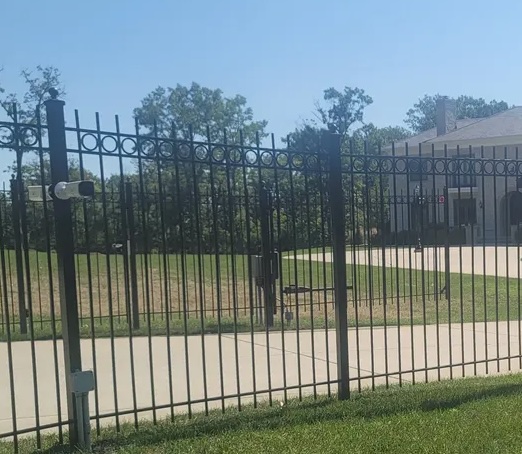
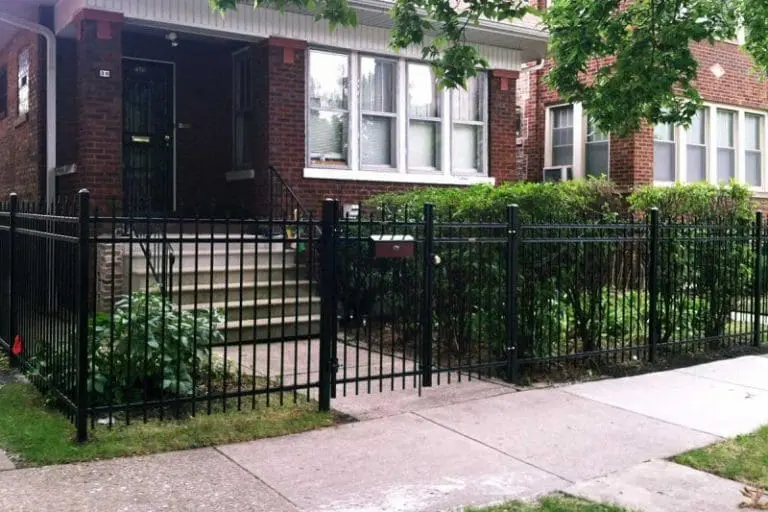
Wrought iron fencing is the heavier option. Thicker pickets and a welded frame give it a density you can read from the sidewalk, which is exactly what many homeowners want across a front entry. Because each section carries real weight, wrought iron is usually planned as a shorter, more deliberate run: an entry accent, a low ornamental border along the parkway, or a span between masonry piers.
Anchoring matters as much as the metal itself. Heavier sections hold their line and stay quieter over the years when the posts are sized and spaced for the load they carry, which is why the layout should be worked out before anything is set.
Aluminum Fencing: Lighter Sections, More Finish Choices
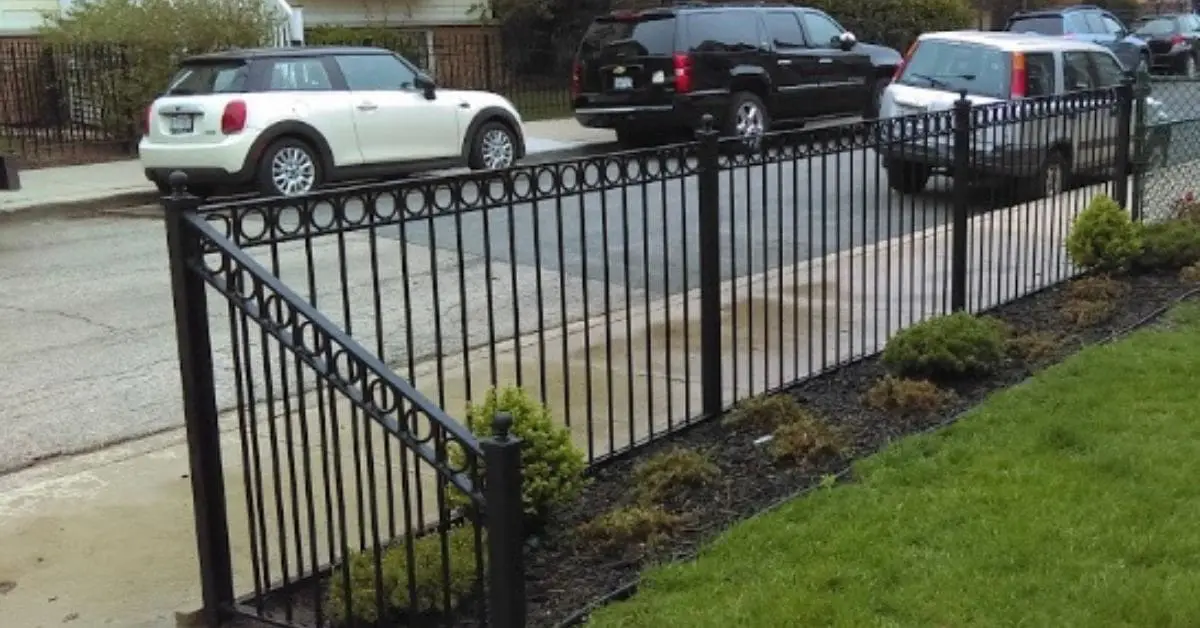
Aluminum fencing delivers a similar ornamental look at a fraction of the weight, which matters on older front steps, narrow planting strips, and residential streets where a heavy install would mean more digging and more disruption. Powder-coated finishes hold their color and come in black, bronze, and a range of matched tones, so the metal can tie into shutters, trim, or existing porch railings instead of standing apart from them.
Aluminum also handles long frontage runs and grade changes gracefully. Where a heavy frame would need extra bracing, aluminum sections can step with the yard while the top rail stays level or follows the slope, depending on the look you want from the street.
Pairing Gates for Driveways and Walkways
The gate is usually what people notice first. A single walkway gate at the front steps, a pair of driveway gates set between posts, or an arched entry gate spanning the main approach changes the proportion of the whole frontage. When gates are planned alongside the fence instead of added later, hinges, latches, and swing clearance line up with the posts and the hardscape, and the entry reads as intentional rather than assembled.
Gate placement also decides how the fence is used day to day. A gate that swings away from the parking pad, or one that lines up with the walk instead of the door, keeps the morning routine simple instead of turning it into a workaround.
Custom Railings and Details That Tie the Frontage Together
Custom railings, finials, and top-rail profiles do more for curb appeal than most people expect. A short railing along the porch or steps finished to match the fence pulls the entry together, and a matching pedestrian gate keeps the detail consistent from the sidewalk to the door.
Mixing metals is a common approach: a wrought iron entry with aluminum along the rest of the run puts the heavier material where hands and eyes go first, while the lighter sections carry the longer distances without overbuilding the frontage.
Matching the Metal to the Property
The right call depends on the run — how long it is, how much grade it crosses, whether it has to carry a gate, and how open the frontage should feel. Wrought iron and aluminum fence installation in Waukegan IL usually starts with a walk of the property rather than a phone estimate, because post spacing at the drive and the fence line against existing concrete decide how the finished job looks.
A fence company in Waukegan, IL can measure the frontage against the sidewalk and point out where the heavier metal earns its weight and where the lighter sections do the same job with less disruption. An experienced fence contractor in Waukegan, IL will also flag the small choices that shape the result: gate swing direction, where the fence meets the porch or the walk, and whether the finish should match the house trim or stay classic black.
If you are ready to plan the frontage, share the details of your project and note the approximate length of the run, whether a driveway gate is needed, and which metal you are leaning toward.