Choosing a fence material for a Geneva, IL property comes down to three questions: what the fence has to do, how much upkeep the owner is willing to accept, and how the material behaves through northern Illinois freeze-thaw cycles. A backyard that needs screening, a pool area that needs visibility and a commercial lot that needs a defined perimeter rarely point to the same product. The comparison below is built to shorten that decision.
How Geneva Conditions Stress a Fence
Clay-heavy soil holds moisture and moves with the seasons. Posts set in that ground can heave, and a fence that is not built for it will show loose rails, sagging gates and twisted pickets within a few winters. Materials that shed water, resist corrosion and keep their shape after a hard freeze age far better here than products picked on looks alone.
Property styles vary just as much. Streets around historic downtown Geneva carry older homes where the fence line is visible from the sidewalk, while newer subdivisions and commercial corridors lean toward low-maintenance or high-security products. The right material has to fit the lot, not just the budget.
Wood Privacy Fence and Vinyl Fence
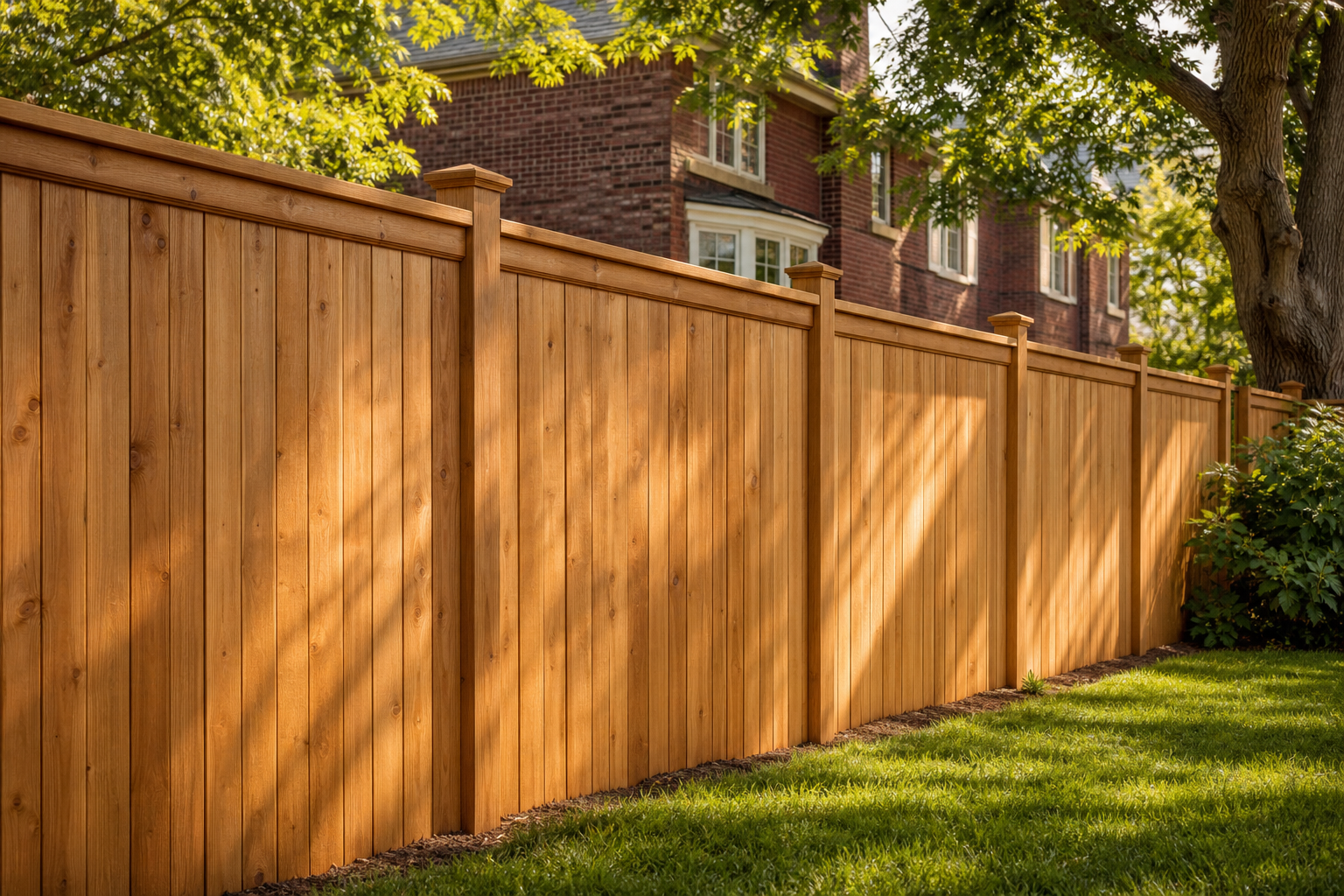
Wood privacy fence delivers the most screening per dollar and the widest range of styles. Cedar and treated pine can be stained to match trim, and individual boards can be swapped out after storm damage. The trade-off is upkeep: without sealing on schedule, wood in this climate grays, warps and takes on moisture. Where full backyard privacy and a natural look matter most, a wood fence installation in Geneva, IL is usually the starting point.
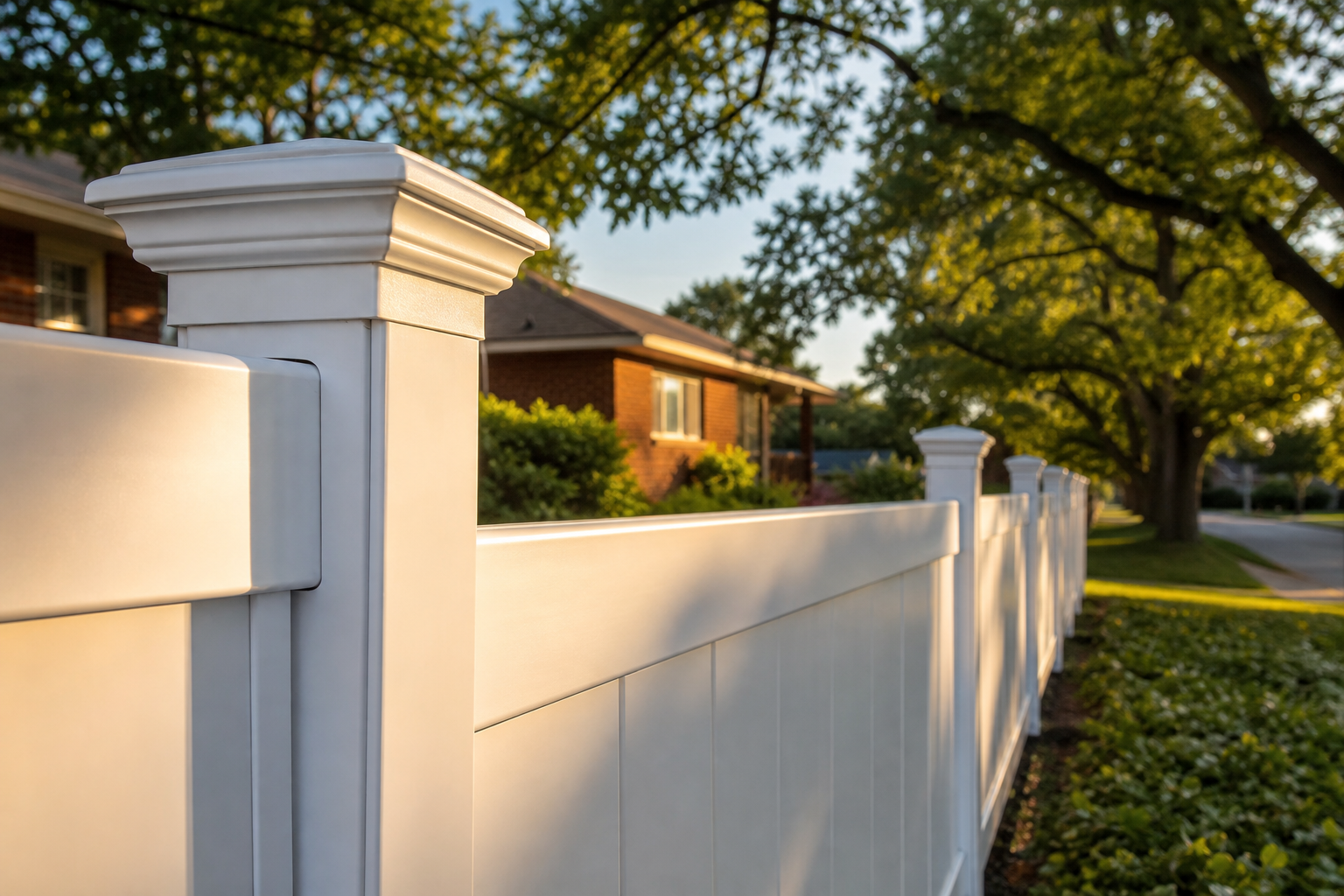
Vinyl fence answers the maintenance objection directly. It does not rot, does not need staining, and cleans up with a garden hose. Quality vinyl holds its color and stays flexible in cold weather, which matters when temperatures swing across the freezing line. That is why a vinyl fence installation in Geneva, IL is often chosen for pool decks, side yards and long rear runs that the owner would rather not maintain.
Chain Link, Wrought Iron, Aluminum and Steel
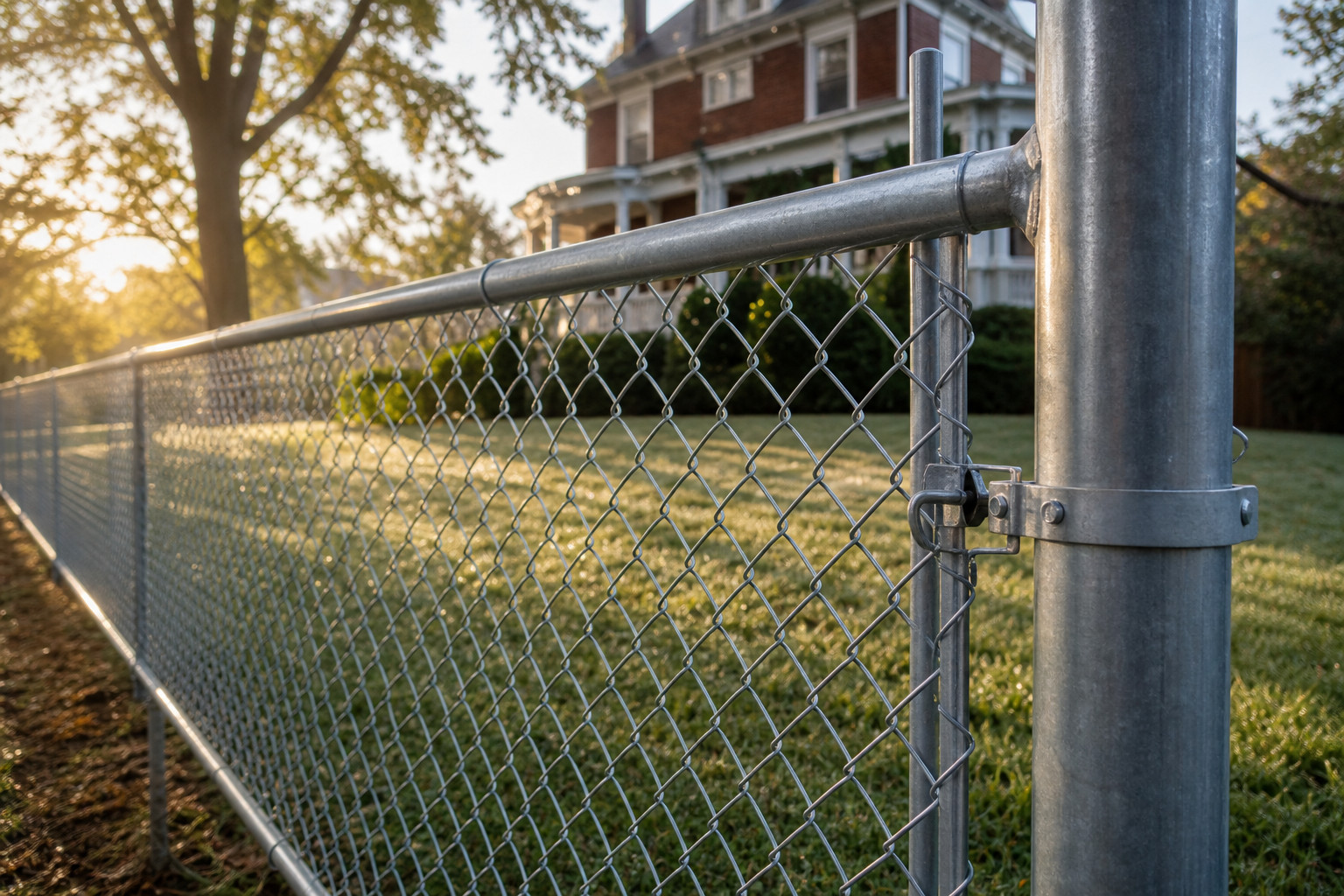
Chain link fence is the visibility option. Nothing is hidden, which is exactly what a household wants for a dog run and what a business wants when staff need to watch a yard or a parking area. Galvanized and vinyl-coated chain link handle moisture well and keep long runs practical.
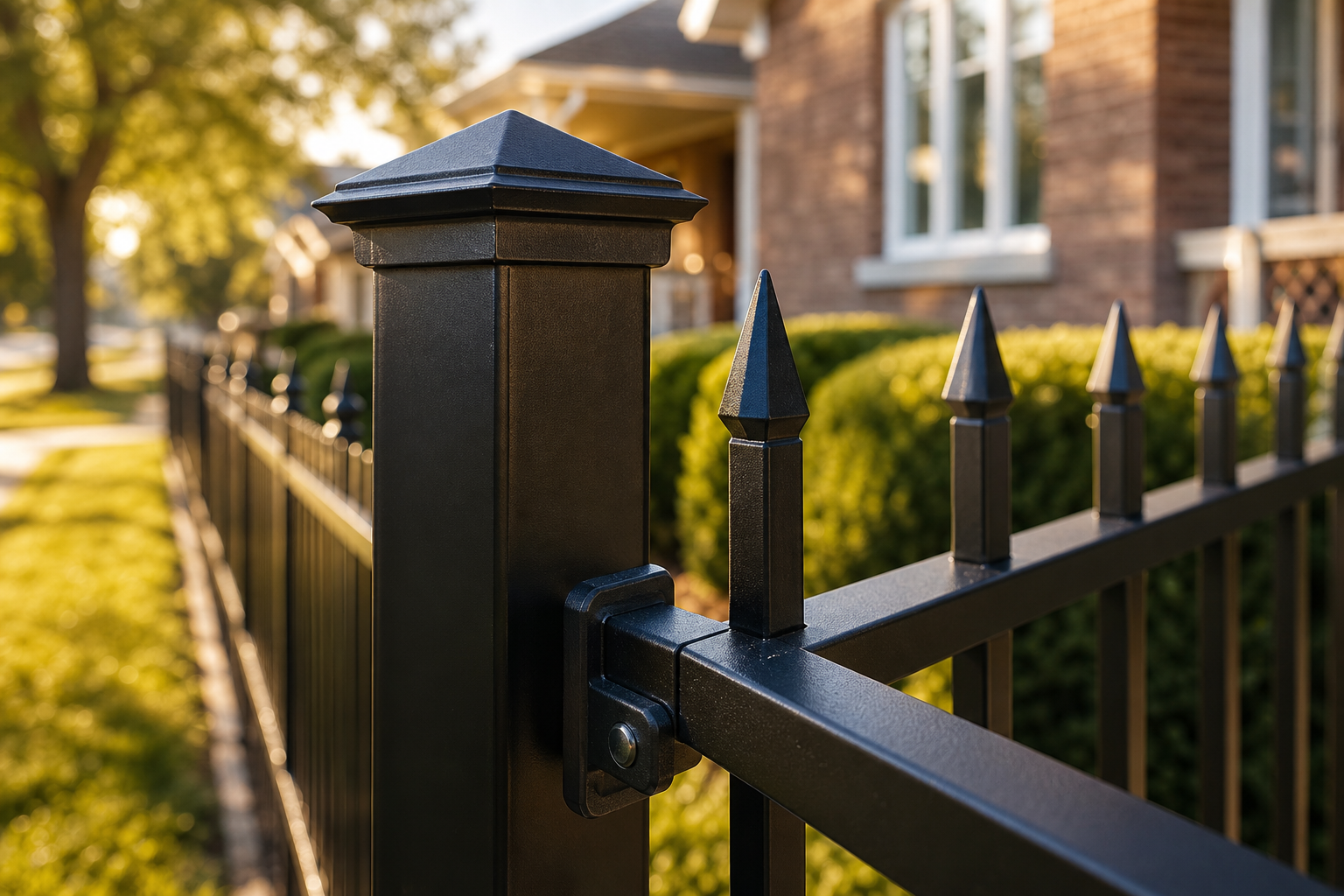
Wrought iron fence carries the ornamental weight that fits older Geneva streetscapes. It defines a boundary, adds an architectural line and keeps the view open, which is valuable on a corner lot or a front yard where a solid panel would feel heavy.
Aluminum fence does similar visual work with less weight and no rust. Powder-coated aluminum is a common pick for pool enclosures, entry accents and residential perimeters where the owner wants security without losing sight lines.
Steel fencing sits at the heavy-duty end of the list. Industrial and commercial sites choose steel when the perimeter has to take contact, control access points and hold up under daily use. Paired with gates, it defines where vehicles and people enter and where they do not.
Privacy or Visibility: Matching the Material to the Property
For a household, the deciding factor is usually privacy versus oversight. A solid wood or vinyl screen shelters a patio, a pool or a play area from view and softens wind and road noise. A wrought iron, aluminum or chain link line keeps the yard open and lets a parent watch the whole lot from the back door.
For a business, the factor flips. Storage lots, equipment pads and parking areas usually need visibility for oversight and a clearly defined edge, which is why chain link and steel dominate those layouts. Where curb appeal matters, such as frontage or an entry, ornamental aluminum or wrought iron gives the perimeter a finished look instead of a barrier look.
What Holds Up Best in Northern Illinois
No single material wins every category. Vinyl and aluminum hold their finish with the least seasonal work and are the strongest answer for a low-maintenance property. Wood performs well when it is sealed on schedule and posts are set properly for clay-heavy soil. Chain link is the most forgiving of the group. Wrought iron and steel last when their finish is applied and maintained correctly, and their strength is what keeps them standing. Installation quality decides more than the material name on the quote.
Making the Material Decision With a Local Installer
Choosing a fence material for a Geneva, IL property gets clearer once someone walks the grade changes, gate locations and property lines in person. A fence contractor in Geneva, IL can flag where a solid panel would trap water against a foundation or where a visibility-friendly product fits the layout better.
Homeowners who begin by searching for fence installers near me in Geneva, IL usually end up weighing the same short list. Chicago Fence Builders works through that list property by property, from material selection and layout to the finished installation, and will spell out the trade-offs in plain terms before anything is committed. To start, request a fence estimate with the approximate linear footage, whether gates are part of the plan, and a few photos of the yard.