-
Do I need a permit for a fence in Huntley, IL?
Yes. Huntley requires a fence permit before any permanent or temporary fence is installed, and the property address determines which jurisdiction controls it. Huntley addresses can fall in McHenry County or Kane County, so confirm the authority for your parcel before ordering materials or scheduling work. Before digging, contact Illinois 811 for utility locates. Reference: Village of Huntley Zoning Ordinance.
-
What should I include with a Huntley fence permit application?
Huntley's residential fence guidelines ask for a completed permit application, a plat of survey showing the proposed fence location, a contractor quote or proposal, and HOA approval when your community requires it. Having those documents ready shortens the review and prevents a second submission. Confirm current forms and fees with the Village before you file, since requirements can be updated between ordinance revisions. Reference: Residential Fence Guidelines.
-
Do HOA or subdivision rules apply before I choose a fence material?
They often do, so check your community packet before shopping. Many Huntley subdivisions and architectural review committees limit height, style, color, and sometimes the visible fence material, and that approval usually takes longer than a material decision. Ask your HOA what drawings, photos, or contractor details they need, then choose a design that satisfies both the community review and the village requirements. Nothing here replaces your recorded covenants.
-
How tall can a residential fence be in Huntley?
Outside the vision clearance triangle, side-yard and rear-yard fences in Huntley residential districts may be up to 6 feet high. That limit applies to the residential yard areas described in the zoning ordinance, not to every property type in the village. If you want a taller privacy screen, ask the Village about the review path before you buy panels, because exceeding the limit usually takes more than a standard permit. Source: Zoning Ordinance.
-
What is the vision clearance triangle limit for Huntley fences?
Within a vision clearance triangle, a fence or other solid obstruction in Huntley may not exceed 2.5 feet in height. This keeps sight lines open near corners and driveways, and it is measured separately from the yard-height rules. A design that works mid-block may need a lower profile or a different layout near an intersection. Treat this as planning guidance and confirm the exact limit for your lot before ordering. Source: Zoning Ordinance.
-
Which fence materials are permitted in Huntley?
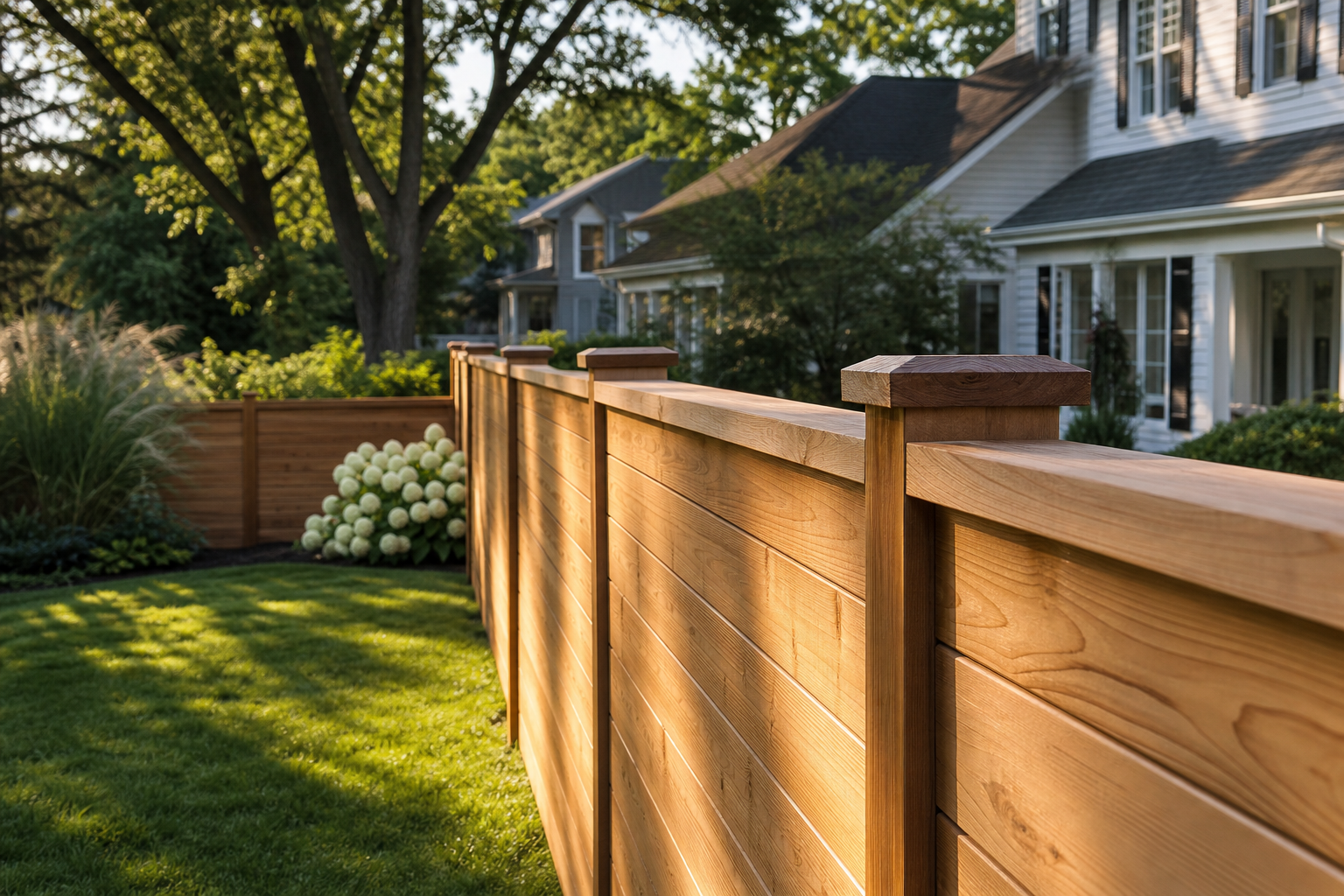
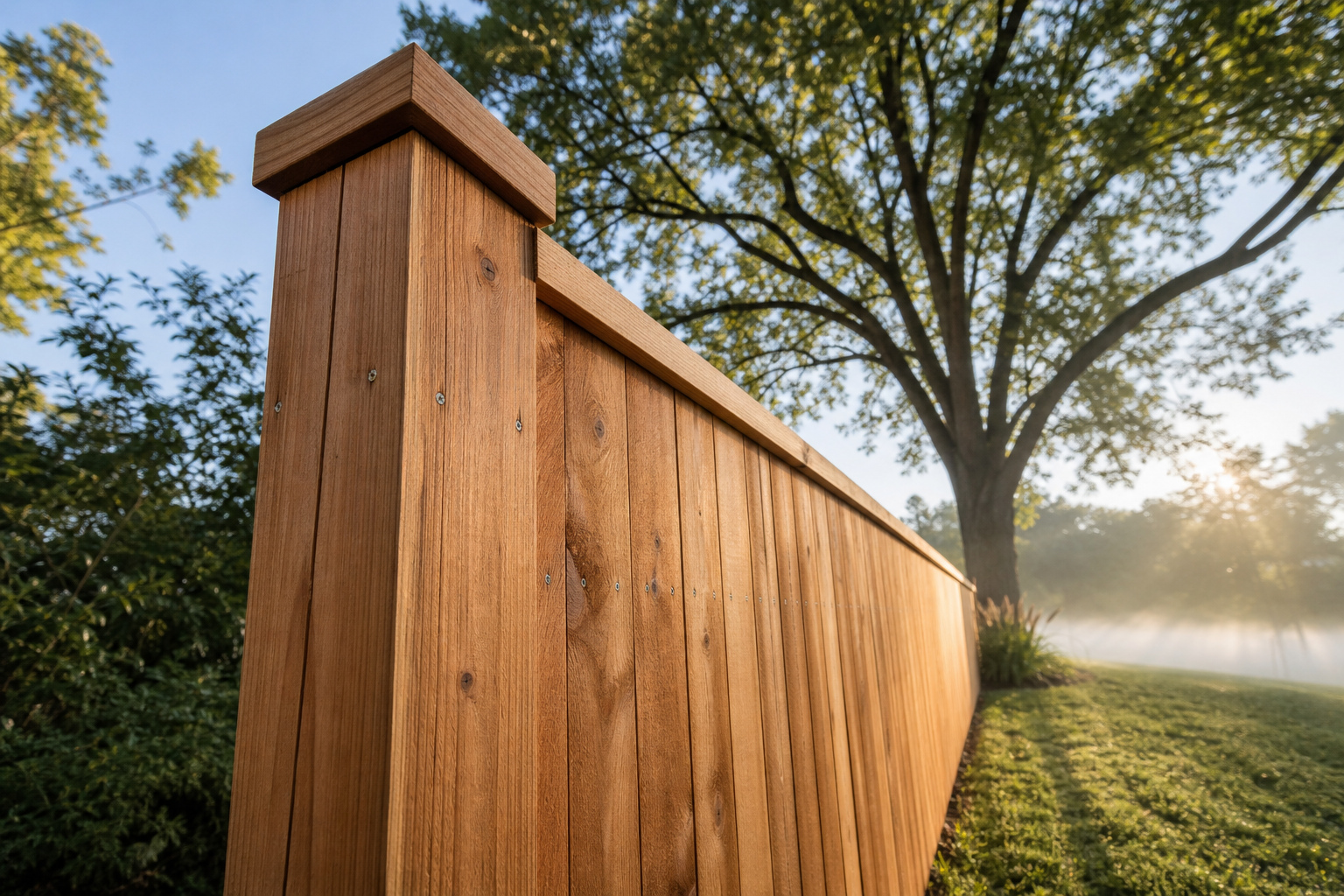
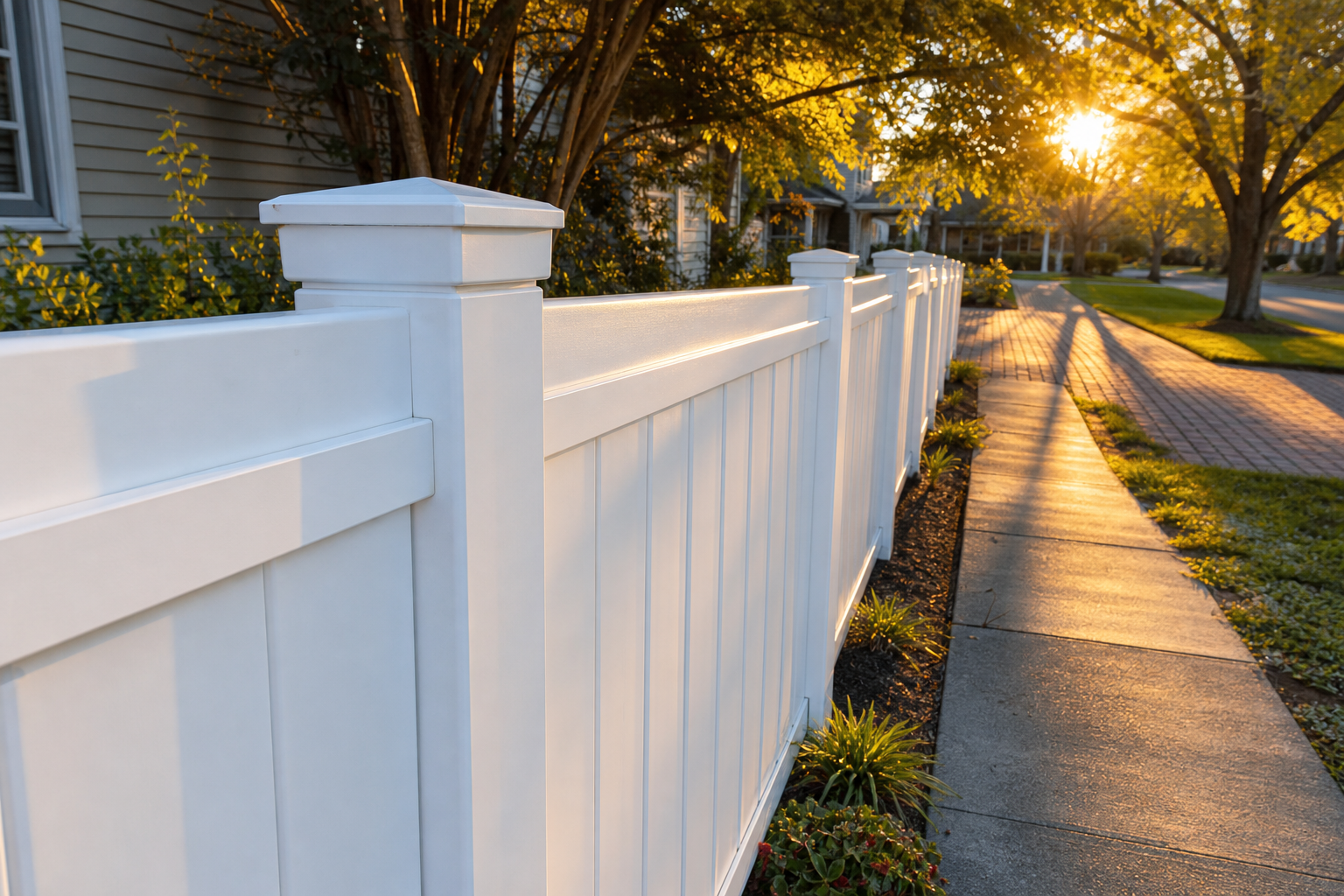
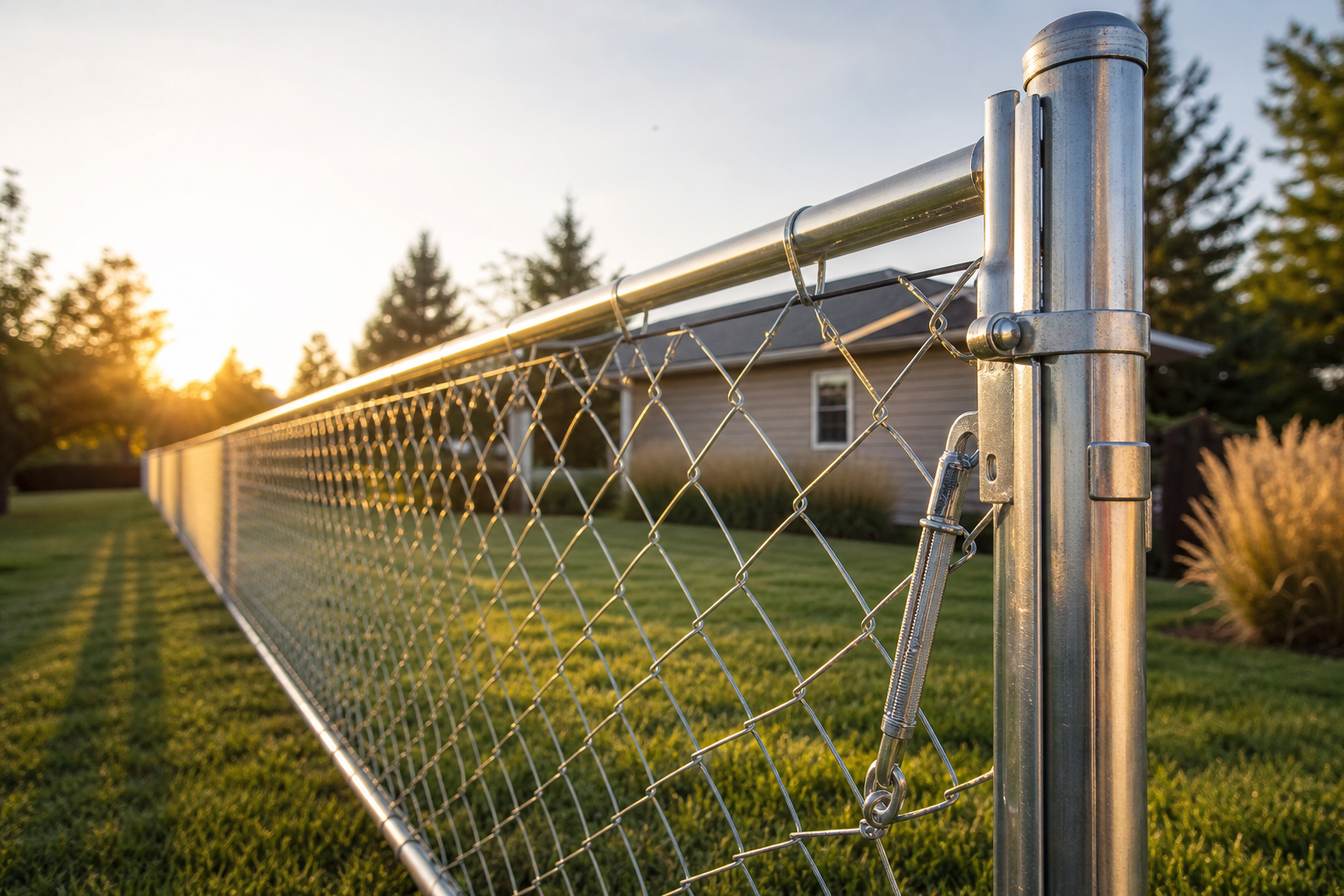
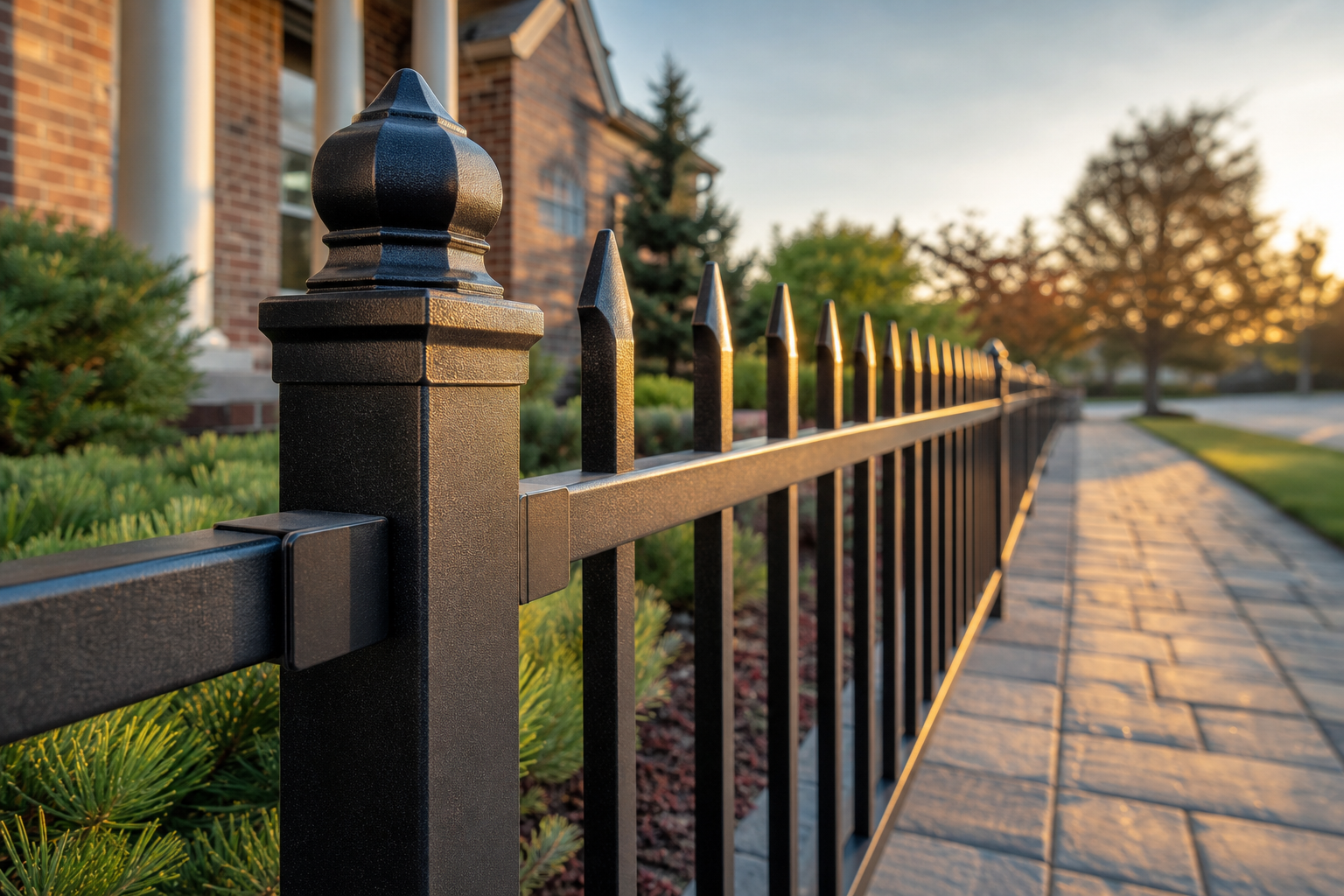
In districts other than M Manufacturing, Huntley lists vinyl-coated chain link without slats, masonry, wood products other than plywood, wrought iron, ornamental steel or aluminum, decorative vinyl, and similar materials approved by the Village Manager. Plywood is specifically excluded from wood products. Material approval is separate from HOA review, so a fence your association likes can still need village confirmation. Verify the current list before you purchase panels or posts.
-
Can a commercial or industrial property build a taller fence?
Scope matters. Outside the vision clearance triangle, Huntley districts other than residential and M Manufacturing allow side-yard and rear-yard fences up to 6 feet high, while M Manufacturing District side-yard and rear-yard fences may reach 8 feet. A warehouse or shop perimeter plan therefore needs the zoning district confirmed before the layout is priced. Share the parcel details and site plan so height, gate, and access-control assumptions match the correct district. Source: Zoning Ordinance.
-
Are barbed wire, broken glass, or sharpened fence tops allowed?
No. Huntley prohibits broken glass, sharpened objects, and barbed wire in fence construction in all zoning districts, so those additions are not an option for a security perimeter or a backyard. If your goal is tighter control of a site, discuss gates, access control, and durable steel or ornamental layouts with the contractor instead of relying on prohibited toppings. Confirm current wording with the Village before finalizing any design.
-
What rules apply to front-yard and corner-lot fences?
In Huntley districts other than M Manufacturing, the open front yard in front of the principal structure generally may not be fenced or enclosed, except qualifying open front fences up to 3 feet high. On standard corner lots outside the M District, corner side-yard fences must also be set back 10 feet from the property line and cannot extend past the rear corner of the house. Both rules are location-specific, so confirm them for your lot.
-
Which way should the finished side of the fence face?
Huntley requires fences and screens to direct the finished face toward public view and away from the principal structure. Practically, that means the smoother, more finished side faces the street, alley, or neighbor, and the framing or rails face inward. Because this affects post and panel orientation, settle it during planning rather than at installation. A short conversation with the neighbor early avoids disputes after the posts are set.
-
How much maintenance does a wood or vinyl fence need?
Wood privacy fence needs the most attention: inspect for loose boards, rot at the base, and fading, then clean and reseal every few years. Vinyl fence is easier, usually needing only a wash to remove pollen and dirt, though panels can loosen in wind and hardware should be checked seasonally. Both benefit from a spring walk-through that catches a leaning post before it drops. Ask about material-specific care during the estimate.
-
Can a damaged gate be repaired instead of replaced?
Often yes. Sagging gates on steel, aluminum, wrought iron, or chain link frames are frequently a hinge, latch, or post issue rather than a failed gate, and adjustment or hardware replacement can restore smooth operation. Panel damage, bent frames, or rusted posts may push the project toward replacement instead. Send photos of the gate, its hardware, and the hinge posts so the scope can be assessed before a crew is scheduled.
-
Do you remove and dispose of an old fence?
Old-fence removal is typically quoted as part of a fence replacement in Huntley, IL, because disposal, post extraction, and site access all affect the work. Concrete-set posts take more effort than surface-mounted panels, and tight side yards can change how material leaves the property. Tell the estimator what is currently standing, how it is anchored, and where a truck can park so the removal line in the scope is accurate.
-
Is fence repair in Huntley, IL always cheaper than replacing the fence?
Not always. Targeted fence repair in Huntley, IL is usually the sensible first step when damage is limited to a few boards, pickets, hinges, or a single leaning post. Replacement makes more sense when many posts are failing, the material is discontinued, or the layout no longer fits the property. A walkthrough that separates salvageable sections from failing ones keeps the decision grounded in condition rather than guesswork.
-
How long does a fence project take, and how do I start?
Timing depends on linear footage, gate count, material lead times, access, removal needs, and permit review, so no responsible contractor should promise a fixed installation date before seeing the property. Confirm HOA approval and village requirements first, then schedule the build. Share your address, fence type, approximate footage, and gate needs through the contact page to start planning.