-
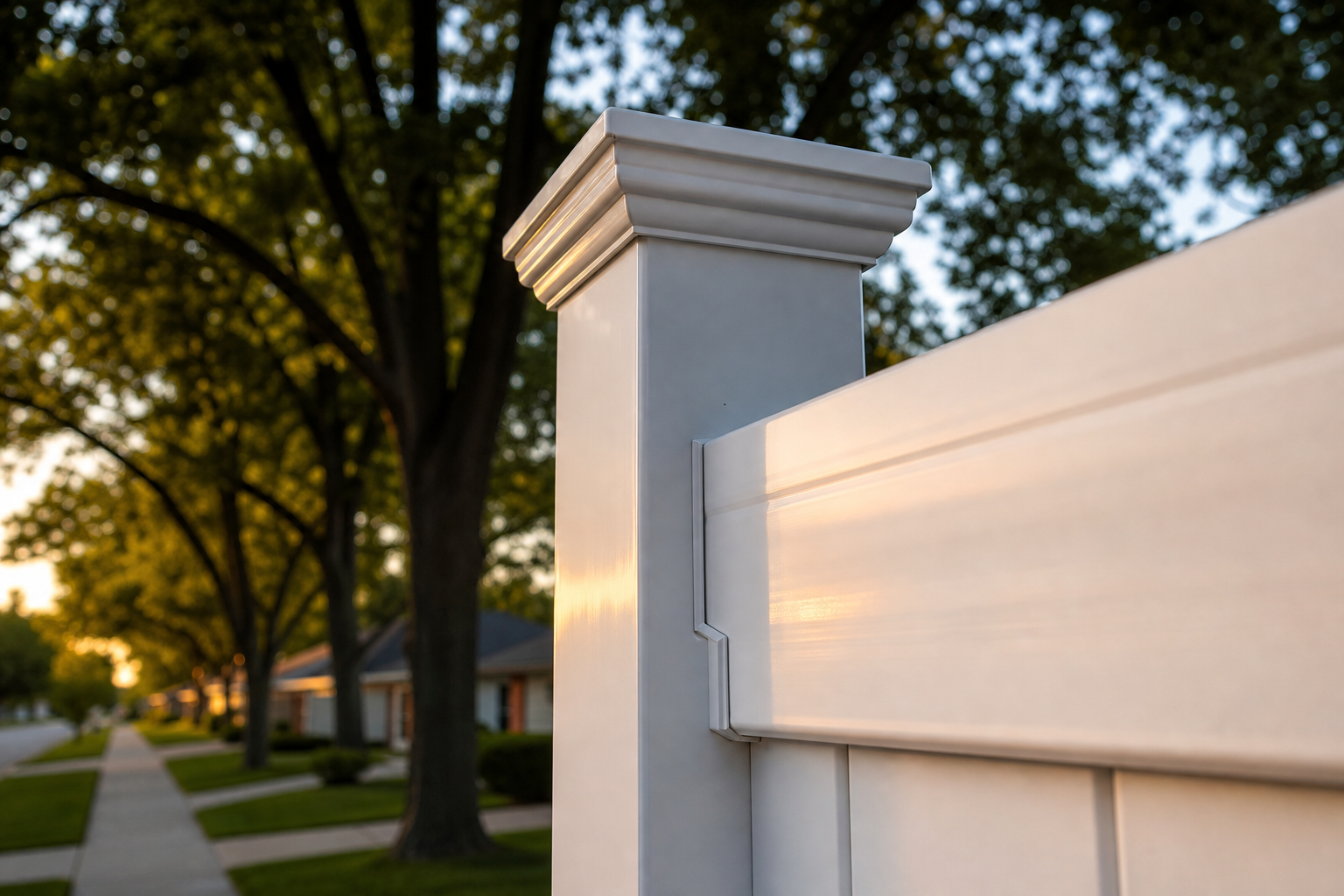
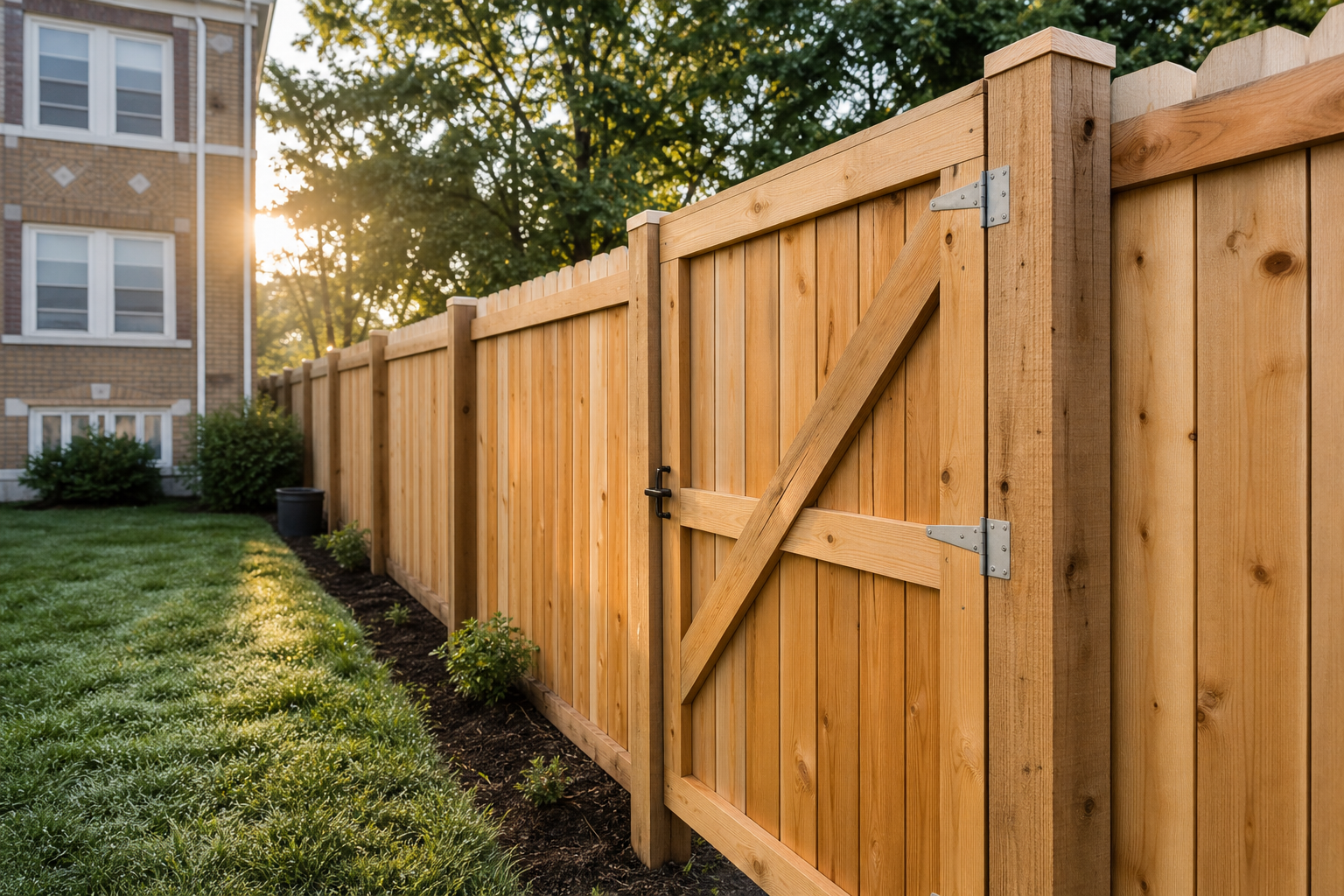
How do I choose between a Wood Privacy Fence and a Vinyl Fence for my yard?
Start with how the space is used. A Wood Privacy Fence fits homeowners who want a full screen, natural grain and the option to stain or paint later. A Vinyl Fence suits owners who prefer a consistent color and simpler cleaning. Sightlines, wind exposure, gate placement and how much of the yard you want hidden usually decide it. Share lot photos and both can be compared against your goals.
-
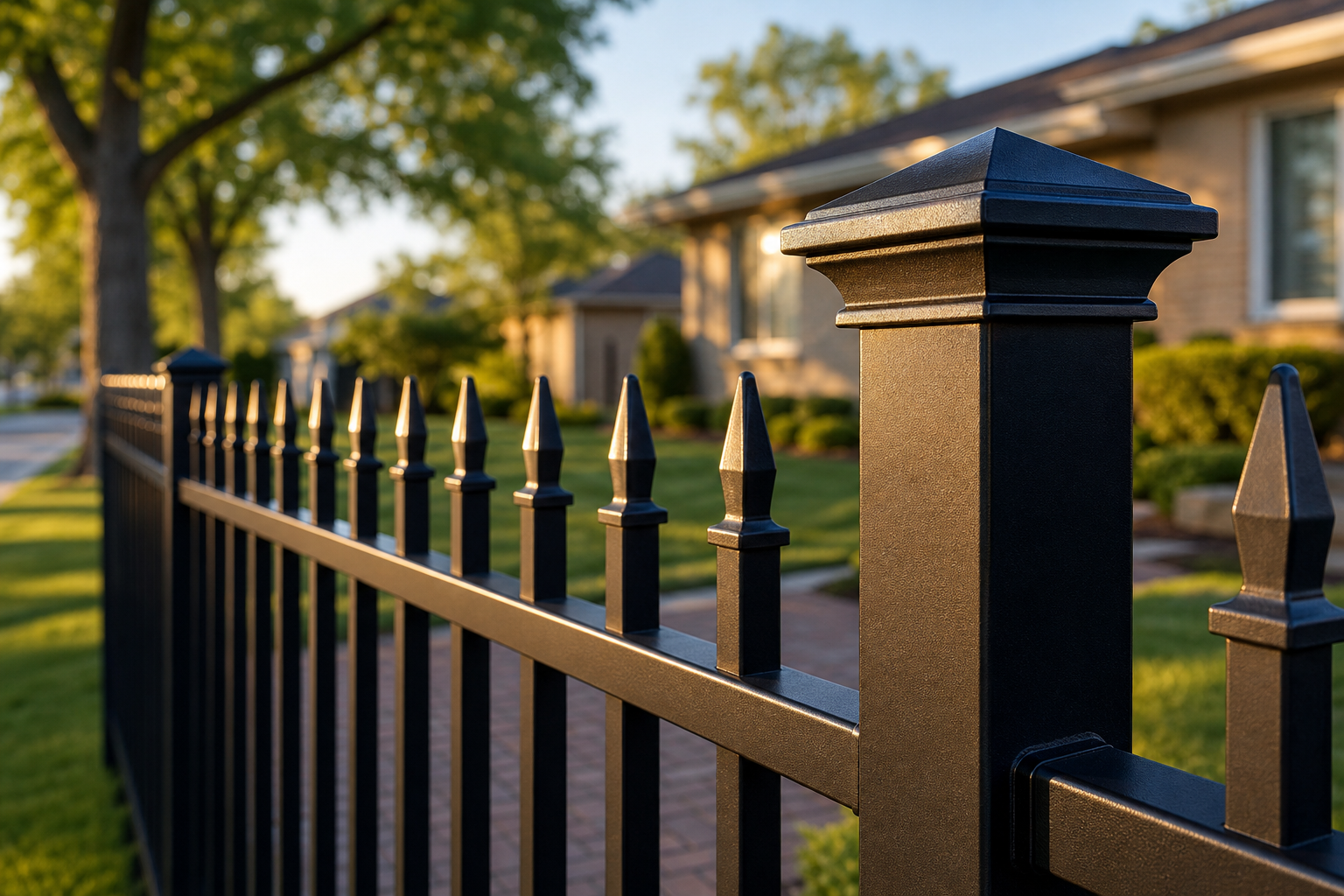
Should I pick a Wrought Iron Fence or an Aluminum Fence for the front of the property?
For a front boundary where the house should stay visible, a Wrought Iron Fence gives a traditional, heavier look that many owners want along a driveway or walkway. An Aluminum Fence delivers a similar open profile with lighter panels and a powder-coated finish that rarely needs repainting. Panel spacing, gate hardware and the height you want from the street are the deciding points.
-
What is the difference between a walk gate and a double drive gate?
A walk gate is sized for people and pets and usually sits near the house or a path, while a double drive gate spans a vehicle opening and needs heavier posts and hardware. Where you place either gate reshapes the run, since panels, bracing and swing clearance all change. If you are comparing options for gate installation in University Park, IL, send the opening width and how often it will be used.
-
Is fence repair in University Park, IL always cheaper than a full replacement?
Fence repair in University Park, IL is usually the sensible call when the trouble is limited to a few posts, a section of pickets or one gate that no longer closes cleanly. Full fence replacement in University Park, IL starts making more sense when rot runs along the rails, several posts are loose, or the layout no longer matches how you use the yard. Photos of the worst sections clarify which side of that line you are on.
-
What happens to my old fence during removal and disposal?
Old fencing is typically taken down, sorted and hauled away as part of the same project, and the crew confirms whether existing posts are set in concrete before demolition begins. Concrete footings may need to be broken out and removed, which affects access and time. Tell us about gates, plants and anything close to the line so removal does not damage landscaping you want to keep.
-
How long does a fence run usually take to install?
Most single-run residential projects are measured in days rather than weeks once materials are on site, while larger commercial perimeters or jobs with several gates take longer. Weather, ground conditions, concrete cure time and permit review all shift that window. A realistic start date is confirmed after the scope is set, and a wider window is safer than a date that slips.
-
Do I need Village of University Park approval before any work begins?
Plan on permit review with the Village of University Park before digging. The Village building permit application states that work may not begin until plans are approved and contractors are licensed to work within the Village. Review can vary by fence height, location and property use, so confirm current requirements before your project date. The official form is here: Village of University Park building permit application.
-
Where does the Village permit application go, and what number do I call?
The Village building permit application lists 698 Burnham Drive, University Park, IL 60484-2788 as the mailing and counter address, with (773) 312-3051 as the main permit-application phone number. Confirm current submittal steps, payment method and inspection expectations directly with the Village before work starts, since forms and review steps can change. Have the property address and proposed use ready when you call.
-
Do contractors need a Village license, and what does it require?
Yes. On the Village General and Sub-Contractor License Application, a general contractor submits a $150 fee, a certificate of insurance and a license or permit bond of at least $10,000. A sub-contractor submits a $100 fee, a certificate of insurance and a license or permit bond of at least $5,000. Ask any crew for current proof before hiring: Village contractor license application.
-
Which proposed-use categories appear on the permit form?
The form asks you to mark a proposed use: single family, business, industrial, public, multi-family, condo or rental. That box matters because the review path follows the property type rather than the fence material alone. A rental or multi-family project may face different questions than a single-family backyard, so describe the property accurately when the scope is prepared and submitted.
-
Do I need to contact JULIE Illinois 811 before posts are dug?
Yes. The utility locate step protects buried lines before any digging, and JULIE covers Illinois outside the City of Chicago, which includes this area. Illinois 811 is the free request line, and the person actually doing the digging is required to notify JULIE. Skipping the locate risks damaged service lines and stalled schedules, so treat it as a scheduled step, not paperwork. Details: JULIE Illinois 811 coverage.
-
How far ahead should a utility locate request be filed?
Illinois law requires the notice at least two days before digging, not counting the day of the notice, and the request should not be submitted more than ten days before excavation. That window is short, so it is normally booked alongside the permit step rather than after materials arrive. Confirm the current timing on the JULIE guidance before scheduling the crew and the delivery.
-
How do I confirm the property line before posts are set?
Fences, sheds and driveways on established lots do not always sit where a deed says they do, so the property line is confirmed before post locations are marked. A recent survey is the clearest reference, and a plat or Village records can help when a survey is unavailable. Neighbors usually raise questions later, so it is worth settling the line early rather than mid-install.
-
How does coverage work between workmanship and manufacturer warranty?
Coverage is split in two. Workmanship coverage applies to how the fence was installed, including post setting, alignment and gate operation, and it comes from the installer. Manufacturer coverage applies to the material itself, such as panel, picket or hardware defects, and follows each maker's terms. Keep the paperwork for both and read the exclusions, since vehicle damage, storms or soil movement are handled separately.
-
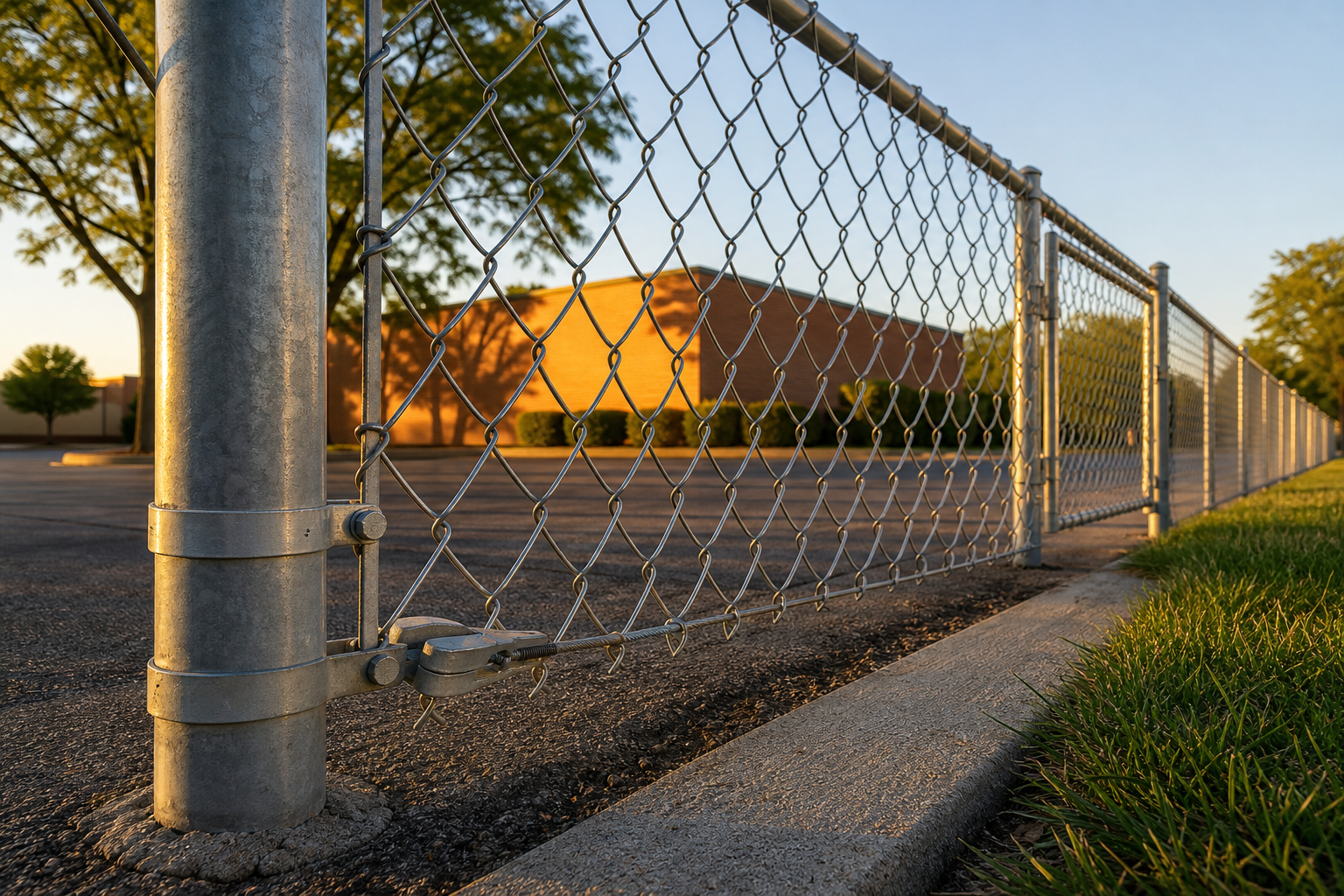
Are Chain Link Fence and Steel Fencing suitable for a business perimeter?
A Chain Link Fence handles long commercial runs and keeps sightlines open, while Steel Fencing gives a heavier, more controlled perimeter where security and durability carry more weight. Both need gate and access planning before anything is priced. Send approximate linear footage and the number of openings, or ask for a scoped estimate, and the layout can be reviewed from photos.