-
Which fence material fits a residential versus a commercial property?
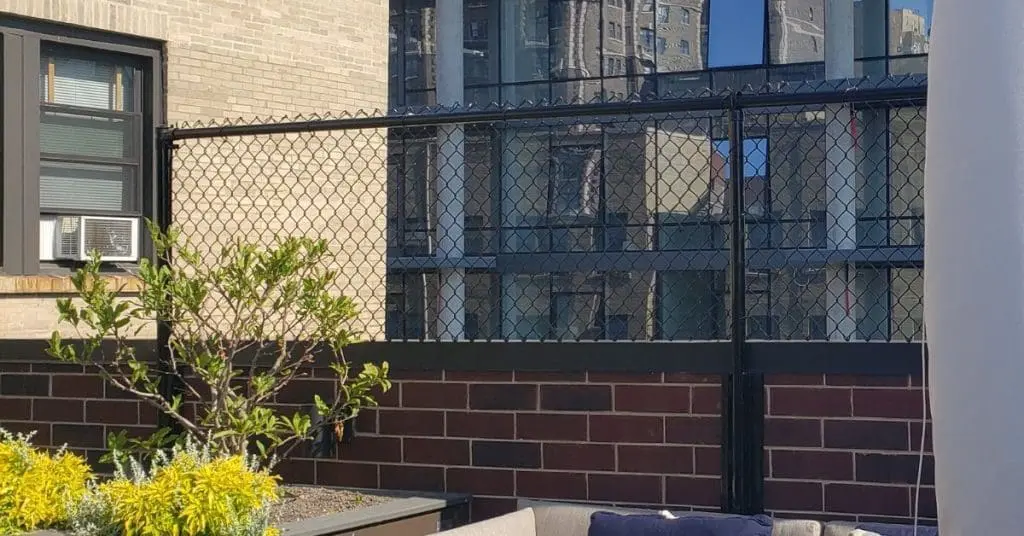
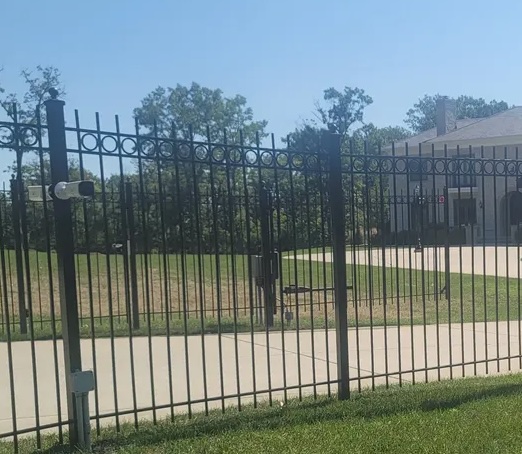
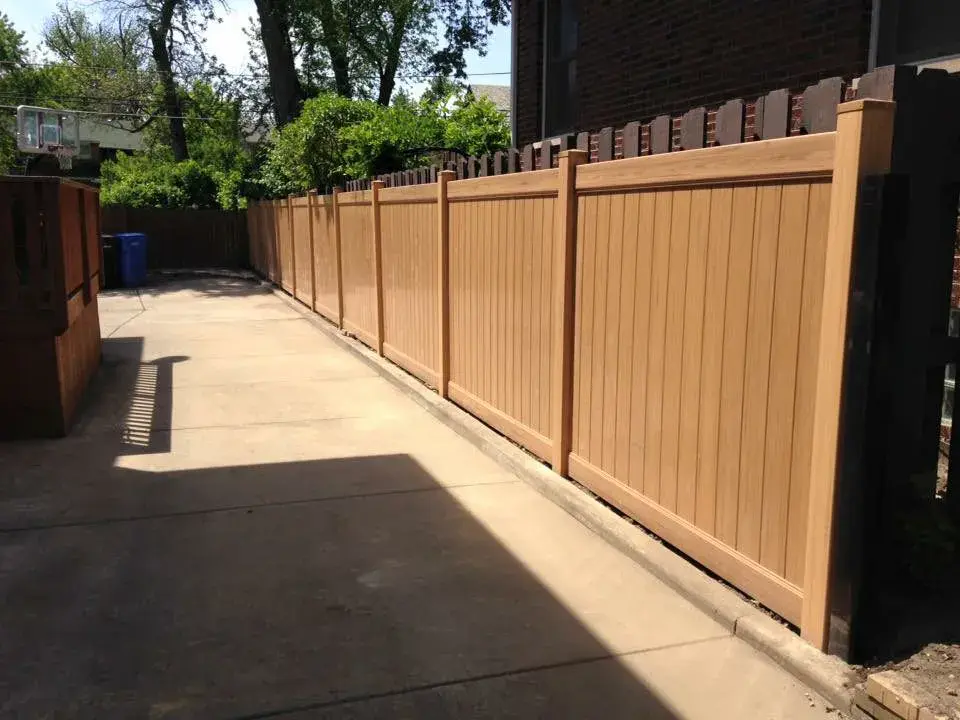
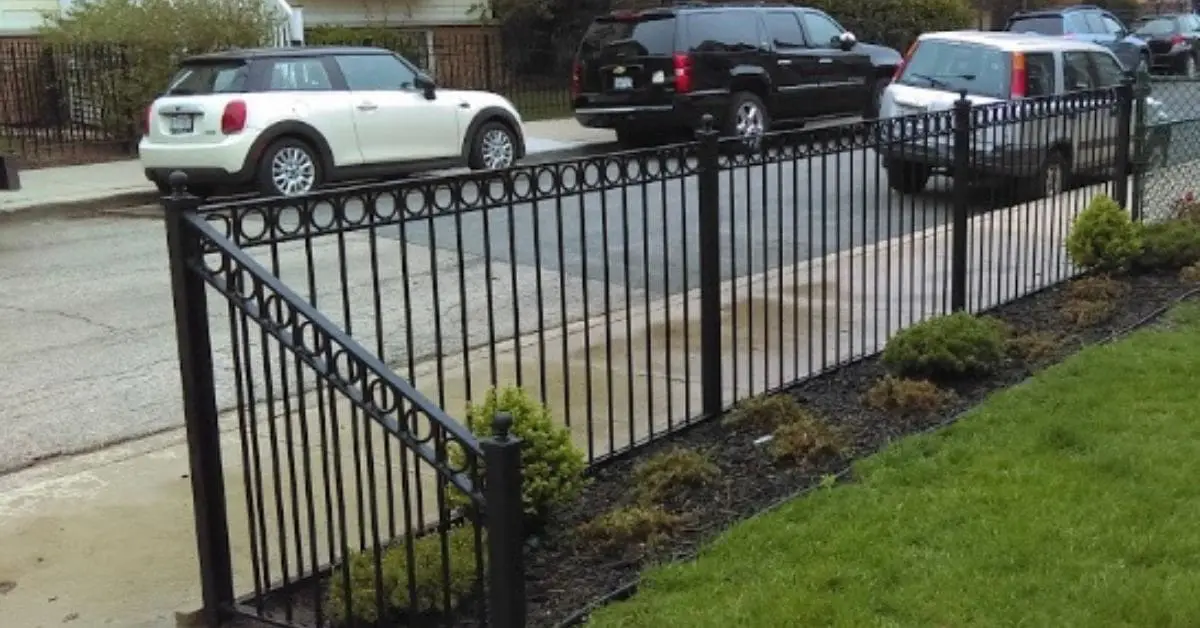
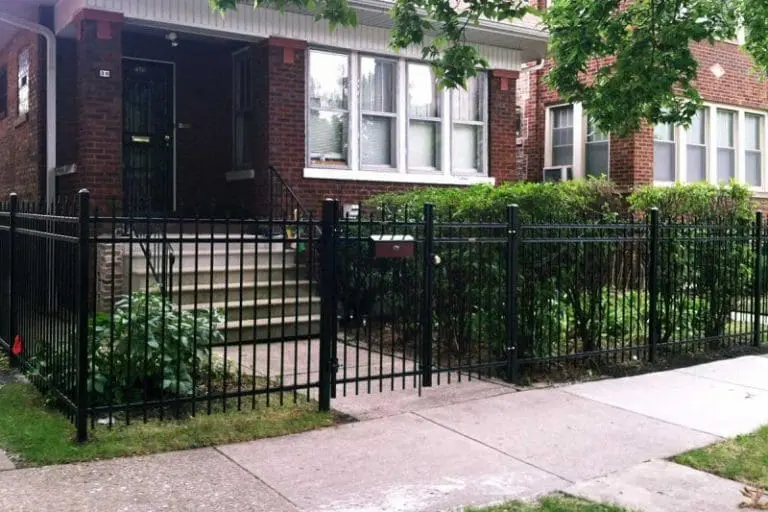
Material choice depends on how you use the property. Wood privacy fencing suits backyards, pets, and pool surrounds, vinyl appeals when you want a clean look with low upkeep, and ornamental wrought iron or aluminum works well for front entries and visible boundaries. For commercial or industrial sites, chain link and steel deliver defined perimeters and controlled access. Homeowners comparing wood fence installation in Hodgkins, IL can review panel styles, posts, and gate placement during a scheduled site visit.
-
What is the best fence for privacy in a small backyard?
For a compact backyard, a solid wood panel fence is usually the most direct way to block sight lines, especially when paired with a matching gate. Vinyl is a close alternative if you prefer an easy-to-clean surface. Because height and placement rules can vary by parcel, we review your layout and confirm what your local jurisdiction allows before finalizing the design. Privacy improves seclusion but cannot guarantee complete screening at every angle.
-
Is vinyl fencing a good low-maintenance choice?
Vinyl fencing is popular because it does not need staining and can be rinsed clean with a hose. It holds color well and suits pool decks, side yards, and front boundaries where a uniform look matters. Vinyl fence installation is often planned with reinforced posts and matching gates so the finished line stays consistent. Confirm panel color and profile options, and ask how the installer handles grade changes along the run.
-
Which fencing works best for a commercial or industrial perimeter?
Chain link remains a practical choice for warehouse yards, parking areas, and storage lots because it keeps the perimeter visible while defining access points. Steel fencing adds a heavier, more secure look for higher-risk areas and can support custom gate hardware. Commercial chain link projects should be planned around traffic flow, gate locations, and screening needs, so discuss daily operations with your fence contractor before choosing a system.
-
How are gates and access control planned?
Gate planning starts with how people and vehicles actually move through the property. We look at opening width, swing direction, hinge points, and whether a manual or automated gate makes sense. Access control options such as keypads or call systems can be added when a site needs recorded entry. Getting the gate right usually matters more than the fence line itself, so bring measurements and photos to the review.
-
What maintenance does each fence material need?
Wood benefits from periodic sealing or staining to slow weathering, while vinyl generally just needs occasional washing. Chain link should be checked for bent fabric and tight tension, and steel or wrought iron may need touch-up paint on scratches. Aluminum holds up with minimal care. A quick annual inspection of posts, gates, and hardware catches small problems before they affect the whole run.
-
Do I need a permit for a new fence?
Fence permits, height limits, and placement rules are set by the local authority, typically the Village of Hodgkins and Cook County for this area. Requirements can change based on parcel, fence height, and location, so we review your specific address during the site visit and point you to the correct office. We do not guarantee permit or inspection outcomes; the final decision always rests with the reviewing department.
-
Who performs the work, and where do you operate from?
Chicago Fence Builders Team performs the installation, from post setting and panels to gates and hardware, and the same crew answers for the finished work. Hodgkins-area projects are scheduled as service-area visits rather than from a local storefront, so measurements and walkthroughs are arranged in advance. You know who is doing the work, who to call with questions, and who stands behind the installation when it is complete.
-
What is the difference between a workmanship warranty and a manufacturer warranty?
Workmanship coverage addresses how the fence was installed, including post setting, alignment, gate operation, and hardware adjustments made by our crew. Manufacturer warranties cover the materials themselves, such as panel finishes, coatings, or structural components from the fence producer. The two are separate documents with different terms and timeframes. We explain both during the project review so you understand what is covered, by whom, and how to file a claim if something fails.
-
How long does a fence installation take?
Timing depends on the fence length, material availability, gate count, site access, and whether an old fence must be removed first. Small residential runs can move faster than large commercial perimeters, and weather can shift a schedule. We give an estimated window once the scope is confirmed on site and keep you updated if anything changes. Because every property differs, a fixed number is not realistic before the details are reviewed.
-
Can you repair a damaged fence instead of replacing it?
Yes. We handle fence repair for leaning posts, damaged panels, sticking gates, and hardware failures, and we can also quote a full replacement when the frame is beyond saving. Photos of the damaged section help us judge whether repair or replacement makes better sense. Matching an older material or profile is not always possible, so we discuss realistic options before ordering parts.
-
Can a new fence match an existing fence style?
Matching an existing fence comes down to panel profile, board width, spacing, cap style, and color. Some designs are still produced, while others have changed or been discontinued. We compare your current fence to available options and explain where an exact match is possible and where a close visual match is more realistic. Mixing materials along a shared line can work well if the heights, posts, and gate frames align properly.
-
Is fencing around a pool a good idea?
Fencing around a pool is about limiting unsupervised access, so a self-closing, self-latching gate matters as much as the panels themselves. Wood privacy and vinyl are common choices for pool surrounds, and local rules may apply to barrier height, latch type, and clearance. A fence reduces risk but cannot replace adult supervision. We review the pool layout, gate swing, and any safety hardware you want included.
-
How do I move forward with a fence project?
Share the property type, fence style you are leaning toward, approximate length, and any gate or access needs, and we will follow up to arrange a visit. From the contact page you can send photos and a short description, which speeds up the conversation. Whether the project is a backyard privacy line or a commercial perimeter, the next step is a written scope so you can compare options before committing.