Wood Dale sits in a climate that swings hard: soaked spring soils, humid summers, then months of refreezing and thawing from late fall into March. That repeated cycle, more than any single storm, is what ages a fence in this part of DuPage County. Fence durability and maintenance in Wood Dale, IL comes down to how a material handles ground movement, trapped moisture, and road salt, and how much upkeep an owner is prepared to put in each year.
Why Freeze-Thaw Cycles Wear Fences Down
Water seeps into the soil around every post, freezes, expands, then releases as the ground thaws. Over a season, that lift-and-settle pattern stresses footings, rails, and gate hardware. Posts set too shallow, or footings that hold water instead of draining it, are the first to shift. That is why fence installation in Wood Dale, IL puts as much emphasis on what happens below grade as on the panels above: deep-set posts, well-drained concrete, and correct spacing reduce how often a run needs re-leveling later.
Wood Fences: Sealing, Fasteners, and Rot at the Base
Wood moves with moisture. Panels swell in wet weather, shrink in dry heat, and repeated cycles open checks, split pickets, and loosen nails or screws. The bottom of posts and the lowest rails decay first because they stay in contact with damp soil and snow. Realistic upkeep means sealing or staining on a recurring basis, tightening or replacing fasteners, and swapping a split picket or rail before the problem spreads to the frame. Ground contact is the main reason wood fails early, so keeping soil, mulch, and downspout runoff away from the base buys years of service.
Vinyl and Aluminum: Low Upkeep, Fewer Surprises
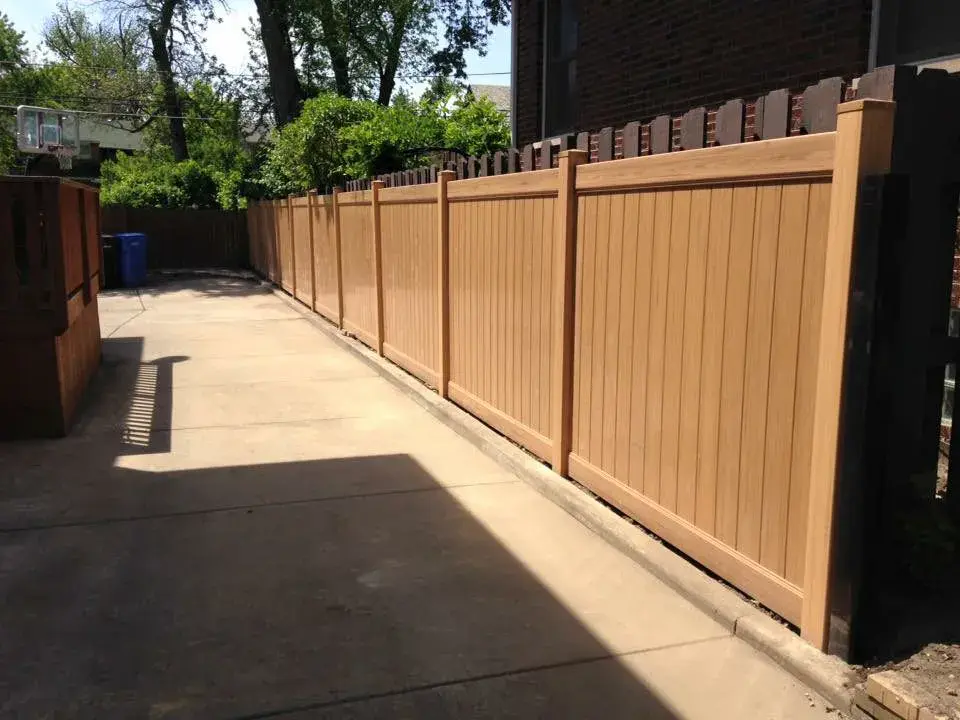
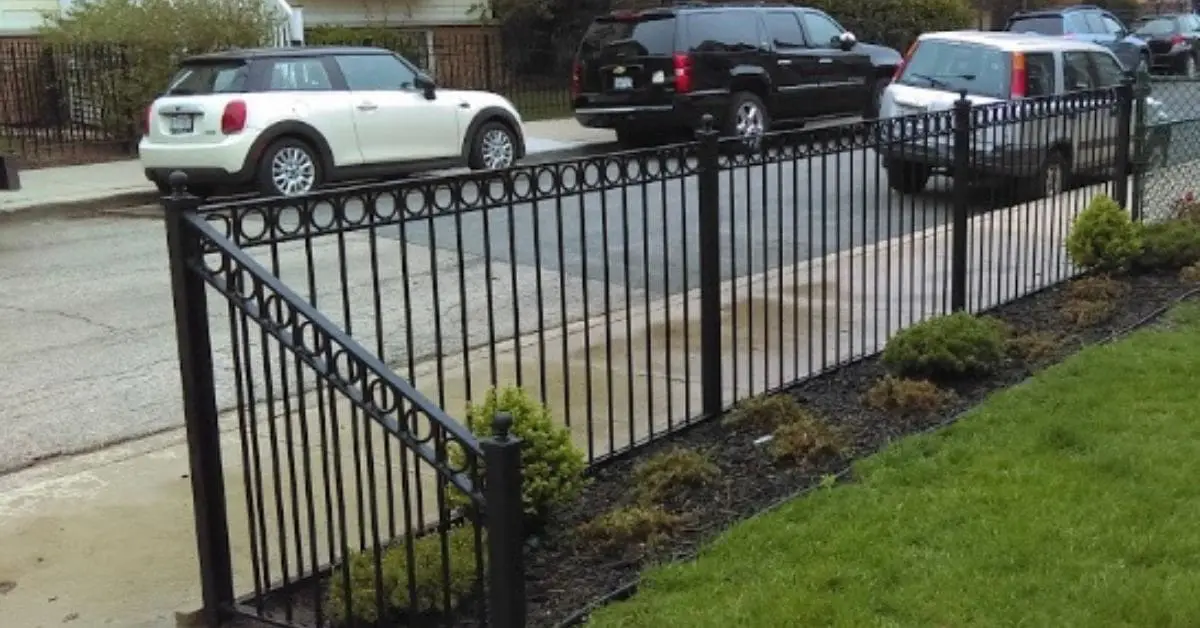
Vinyl and aluminum do not rot and do not need stain. Their maintenance is mostly rinsing off pollen, dirt, and salt spray, plus a periodic check that posts and brackets have not shifted with frost. Vinyl expands and contracts with temperature, so panels can look tight in July and slightly looser in January; that is normal, not a defect. A properly braced vinyl fence installation in Wood Dale, IL keeps rails aligned and gates swinging even when the ground moves, provided the posts were set correctly in the first place. Aluminum with a powder-coat finish holds color well, though a chipped coating should be touched up before winter.
Chain Link, Iron, and Steel: Movement and Coating Care
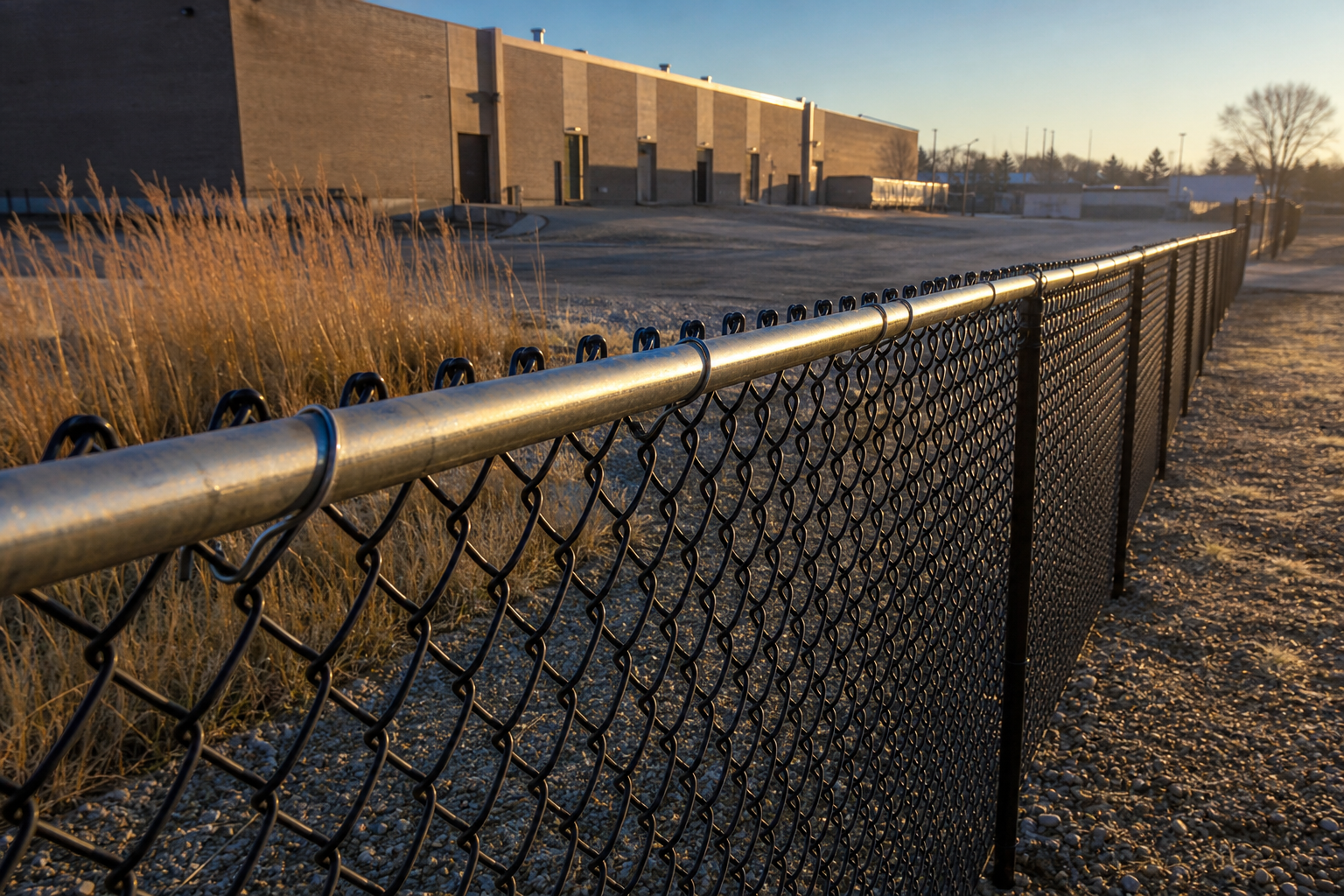
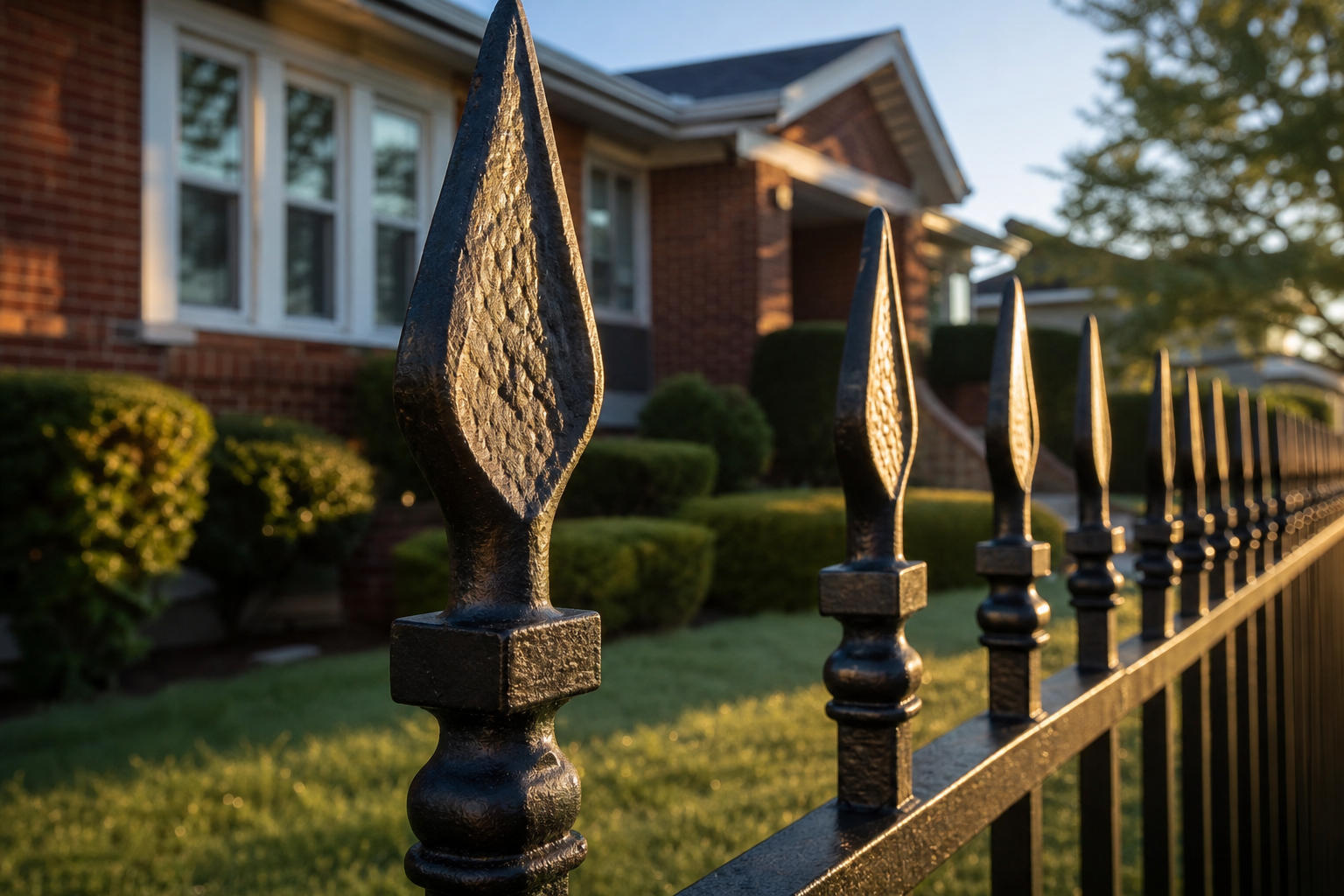
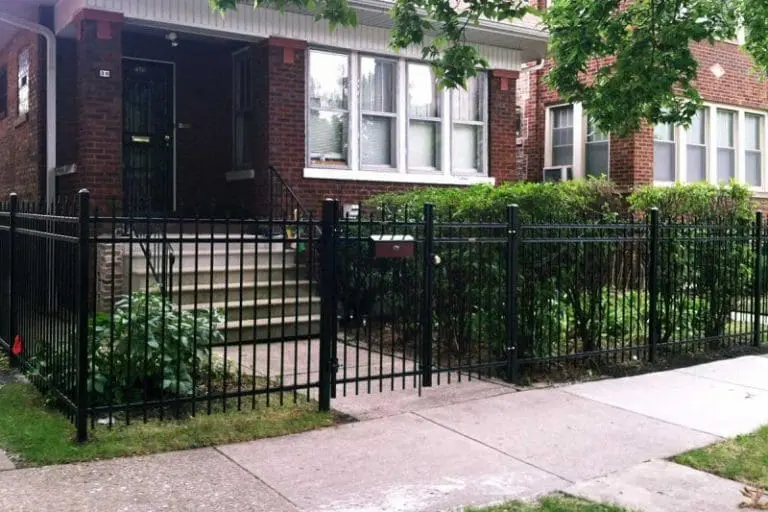
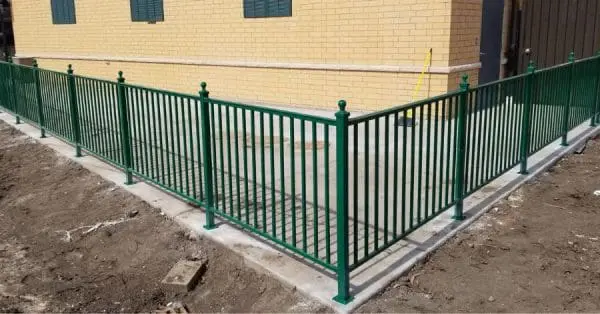
Metal systems are strong but not immune to frost. Chain link fabric can sag when posts tilt and gates drift out of alignment, so checking tension bars, post caps, and hinges each spring catches most problems early. Wrought iron, steel, and coated metal fences depend on their finish. Any scratch that exposes bare metal, especially where salt and meltwater collect, will rust if it is left through the winter. Touching up paint or powder coat is a small job that prevents a much larger one.
What Aging Looks Like Over the Years
Most fence problems in this area follow a pattern: leaning posts in the second or third year, gate sag after a hard freeze, then hardware that no longer latches cleanly. None of that means the fence is finished; it usually means something in the ground moved and needs to be reset or re-braced. When a repair keeps coming back, it is worth having the soil, drainage, and footing reviewed instead of tightening the same bolts again. That kind of diagnosis is routine work for a fence company in Wood Dale, IL, and it is often cheaper than replacing an entire run.
Matching Maintenance to the Material You Own
Before a project starts, it helps to know what the material you are considering will ask of you in five years, not just in the first month. A short review of grade, drainage, and soil conditions gives a realistic picture of how a fence will sit through Chicagoland seasonal cycles, and which repairs are likely versus which are not. If you want that read for your property, request a project review and the Chicago Fence Builders team can go over grade, drainage, and footing conditions for your layout.