-
How do I choose the right fence material for a Crystal Lake property?
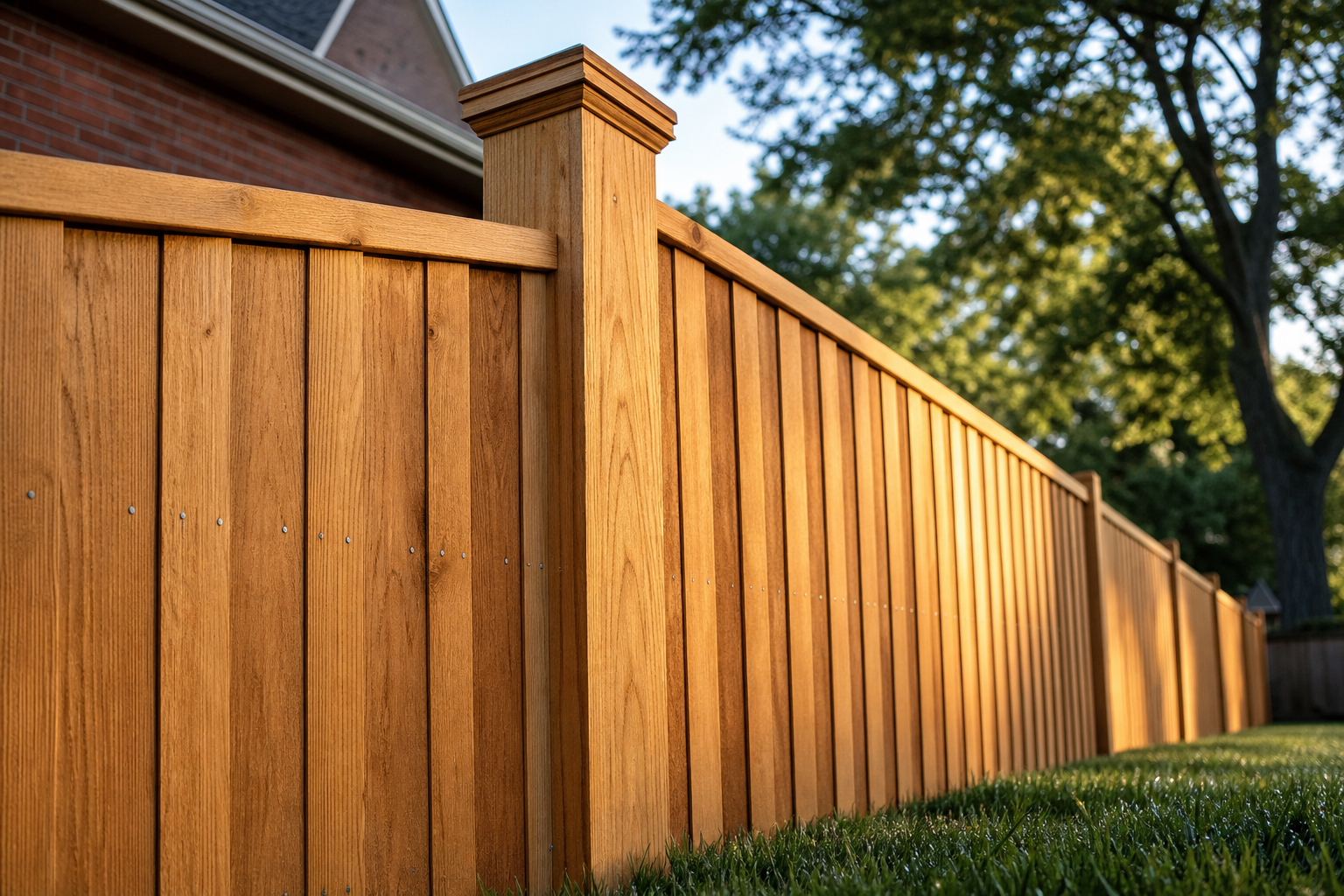
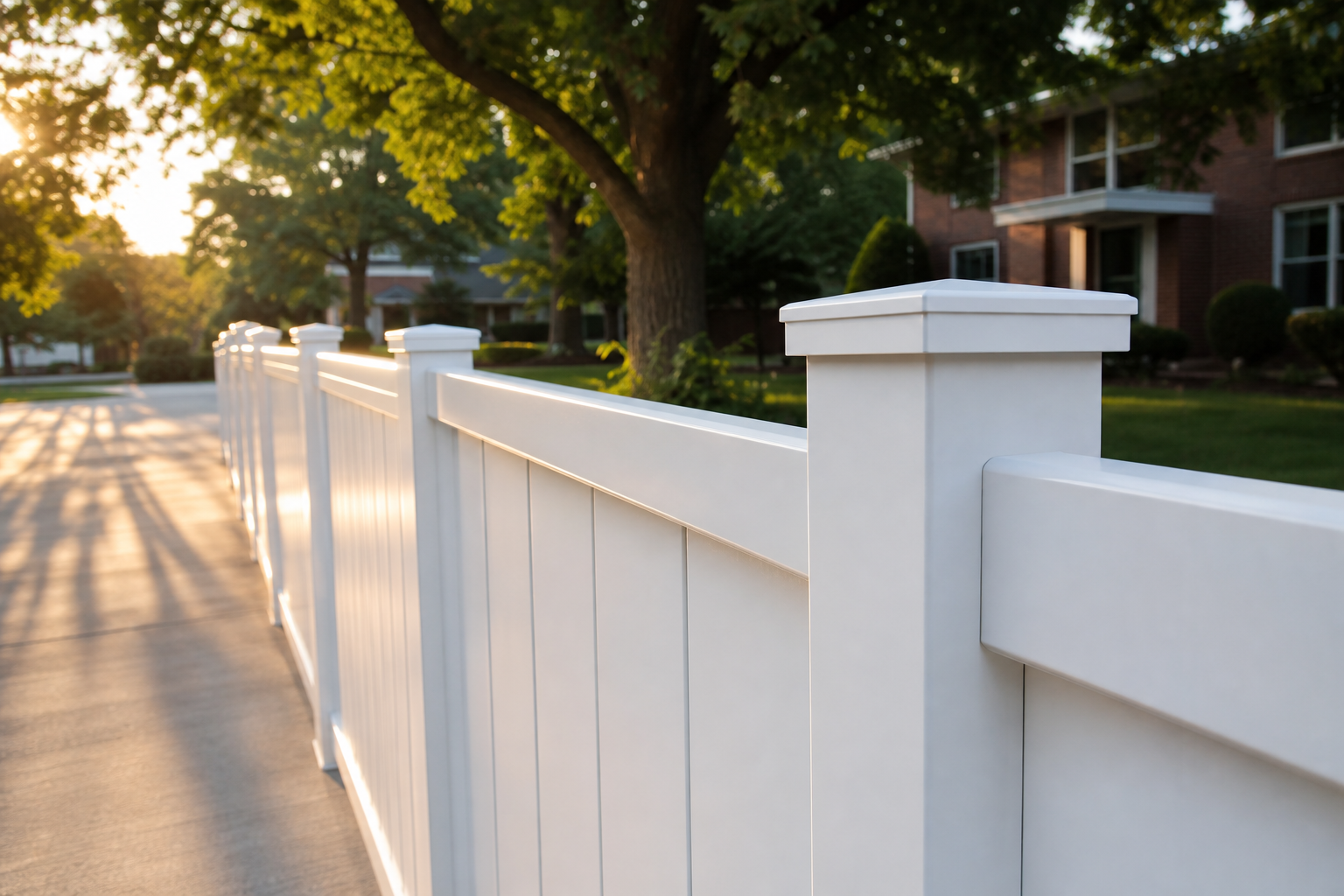
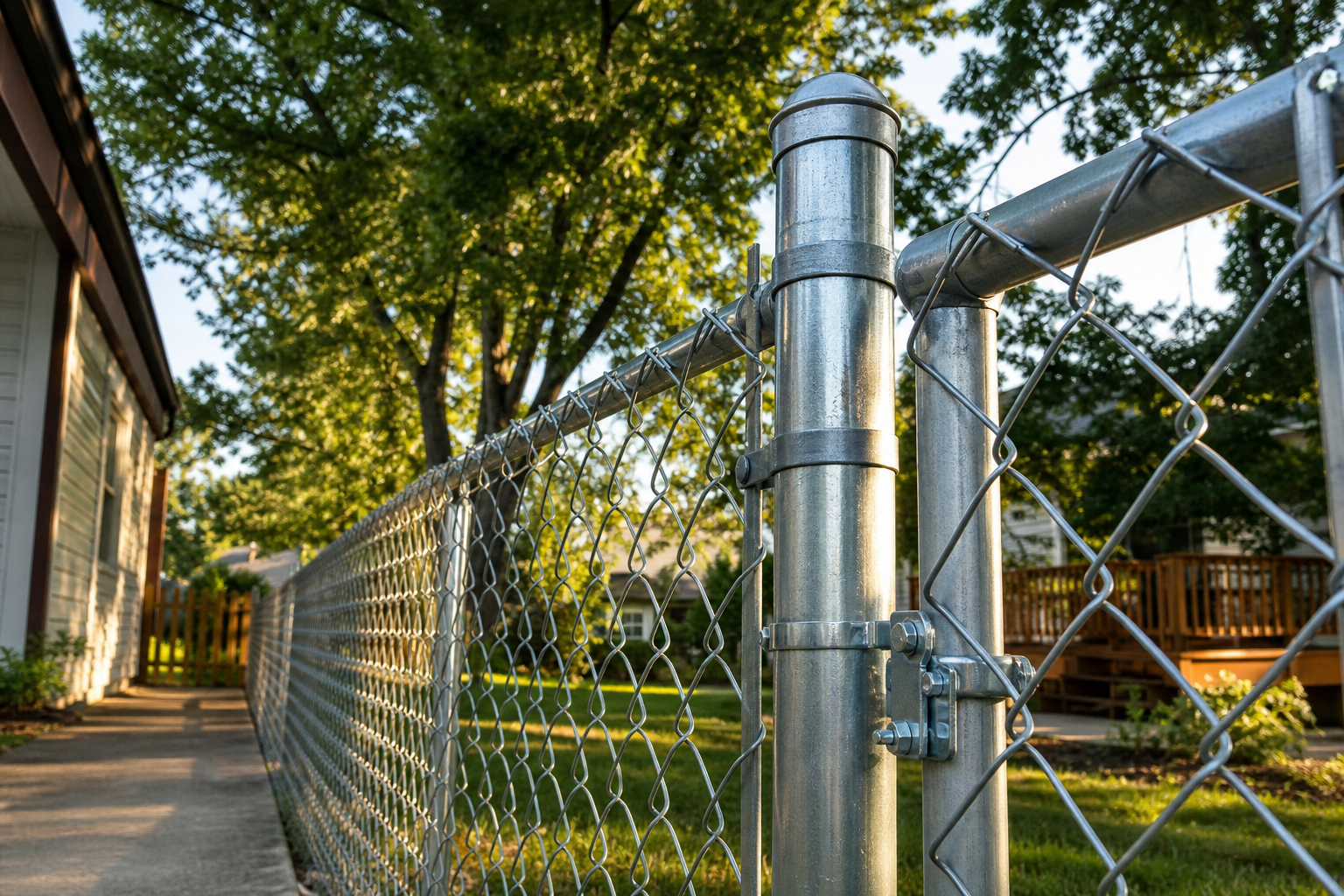
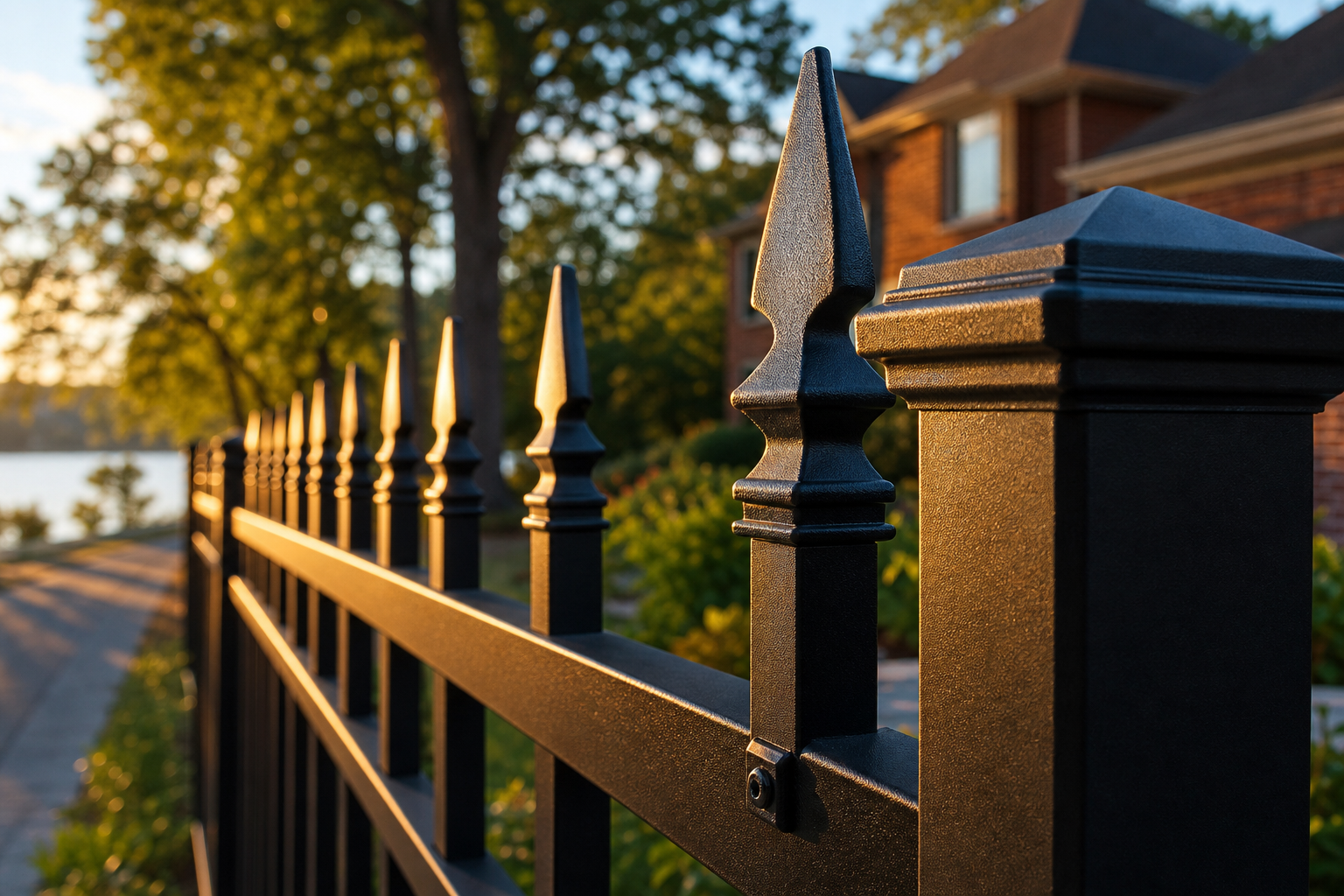
A few practical questions narrow it down quickly: how much privacy you want, who or what the fence needs to contain, how much maintenance you accept, and how the property is used. Wood privacy, vinyl, chain link, wrought iron, aluminum and steel fencing each solve different problems, so comparing them against your yard layout and gate needs keeps the choice grounded.
-
Which materials hold up best against northern Illinois freeze-thaw and clay-heavy soil?
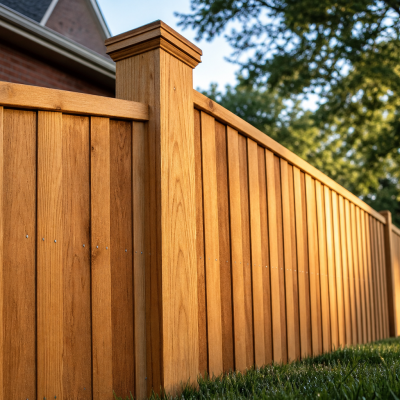
Durability here depends as much on installation depth and drainage as on the material itself. A wood privacy fence in Crystal Lake, IL can perform well when posts sit below the frost line in properly drained holes, while chain link, aluminum and steel resist rot and insects with far less upkeep. Vinyl handles moisture without splintering, and wrought iron stays structurally strong for decades with occasional refinishing.
-
How tall can a fence be in a front yard or a yard that faces a street?
Crystal Lake's Unified Development Ordinance caps fences, walls and screening in any front yard or yard abutting a street at three feet, unless another stated exception applies. Clear-view provisions also apply near intersections, so height is not the only factor. Confirm the limits for your specific lot with the City before ordering panels. Reference: City fence standards.
-
Can a street-side fence be taller if it is set back from the property line?
Yes, in many cases. A fence, wall or screen in a yard abutting a street may go up to four feet when it is set back at least five feet from the property line and clear-view provisions are met. That exception does not apply to properties fronting Crystal Lake. Because several height rules can overlap, verifying your lot conditions first avoids ordering the wrong panels.
-
How is fence height measured, and can decorative posts rise above the limit?
Height is measured from grade to the top or the highest point of the fence panel, so the panels themselves are what get measured against the limit. Ornamental support posts may exceed the applicable height by up to eight inches, which matters if you want post caps or a decorative top rail. Settle that detail before the layout is staked.
-
What if my yard slopes or drains toward the fence line?
Sloped lots and grade fluctuations are common across northern Illinois, and drainage conflicts sometimes make a strict height line impractical. Crystal Lake allows the Building Commissioner to permit portions of a fence to exceed the applicable height limit by up to six inches where drainage and grade require it. Surface drainage still has to flow, so talk through the grade before posts are set.
-
Do I need a permit before fence installation in Crystal Lake, IL?
A City permit is required before a fence or wall is erected or altered. Minor residential repair is exempt only for small work, up to two fence panel sections or three support posts. Because requirements vary by site, the City of Crystal Lake Community Development Department - Building Division is the right place to confirm your project. Start here: Building Division.
-
Can a fence be installed inside a utility easement?
Municipal utility easements and restricted public utility easements do not allow fences or walls. Other utility easements may permit installation, but only with written permission from the utility company holding use of that easement. Since easement maps differ parcel by parcel, checking the recorded easements before finalizing a layout prevents a costly redesign later.
-
Are taller fences allowed on commercial or industrial lots?
Height rules follow the zoning district rather than the size of the property. Fences, walls and screening in the Manufacturing District may be eight feet high in rear or side yards, which supports truck courts, storage yards and perimeter definition. Commercial sites still have to respect easements, clear-view rules and drainage requirements, so the layout is reviewed against the parcel's actual district.
-
How do you handle post digging in clay-heavy soil?
Clay-heavy soil drains slowly, so holes are dug and backfilled to shed water instead of trapping it. Before any digging, Illinois law requires calling JULIE/811 so underground lines are marked, and posts are set deep enough to stay stable through freeze-thaw cycles. Proper footing depth and drainage gravel matter more here than a faster, shallower install.
-
Do gates need different planning for homes and businesses?
They usually do. A residential driveway gate is planned around privacy, family access and matching the fence style, while commercial and industrial gates are planned around traffic flow, access control and vehicle clearance. Explaining how the gate is used daily, and how often, helps size the opening and hardware correctly before the order goes in.
-
Can you remove and replace an existing fence?
Yes. Replacement work can include removal, disposal, post extraction and repairs to affected surfaces where the old fence damaged turf or concrete. If you are matching an existing look, note the material, panel profile and color beforehand. Photos and rough measurements let the scope be reviewed accurately for your property before anything is scheduled.
-
What maintenance should I expect with each material?
Maintenance tracks the material. Wood typically needs periodic sealing or staining, vinyl usually needs only washing, and chain link is largely hands-off apart from occasional tightening. Aluminum resists corrosion well, wrought iron may need touch-up painting, and steel fencing depends on its coating and finish. Ask about upkeep upfront so the material you choose still suits you five years from now.
-
Do you work with both homeowners and commercial property owners?
Yes. Residential work often centers on backyards, pools, pets and curb appeal, while commercial work focuses on perimeters, visibility and access control. Knowing which side of that line your project falls on, and roughly how much fencing you need, makes the review faster. Reach out through the contact page to start that conversation.