-
Do I need a permit to install a fence in Skokie IL?
Yes. Fence requirements for a Skokie address are set by the Village of Skokie, not the City of Chicago, and the Village code requires a permit before any fence or part of a fence is built or maintained. A building permit is also required for fence construction, installation or replacement, so plan the Village of Skokie permit process into your schedule before ordering panels. Fence ordinance source
-
What drives the cost of fence installation in Skokie IL?
Cost depends on the material you choose, the fence height, total linear feet, gate count, and how easily the crew can reach the yard. Removing an old fence, hauling debris away, and working around slopes, tight side yards or mature plantings all add scope. Because every property measures differently, a range only narrows after a site review. Share photos, approximate linear footage, gate needs and your preferred material for a more precise estimate.
-
How deep do fence posts need to be set in the Chicago area?
Posts should sit below the regional frost line rather than at a shallow, easy depth. That keeps each footing anchored when freeze-thaw cycles push the ground up and back down each winter. Skokie's clay-heavy soil drains slowly, so post holes get extra attention: correct depth, compacted gravel and concrete set properly. Chicago Fence Builders sets posts for long-term stability instead of a quick surface job that shifts and leans within a few seasons.
-
Wood privacy fence or vinyl fence for a Skokie backyard?
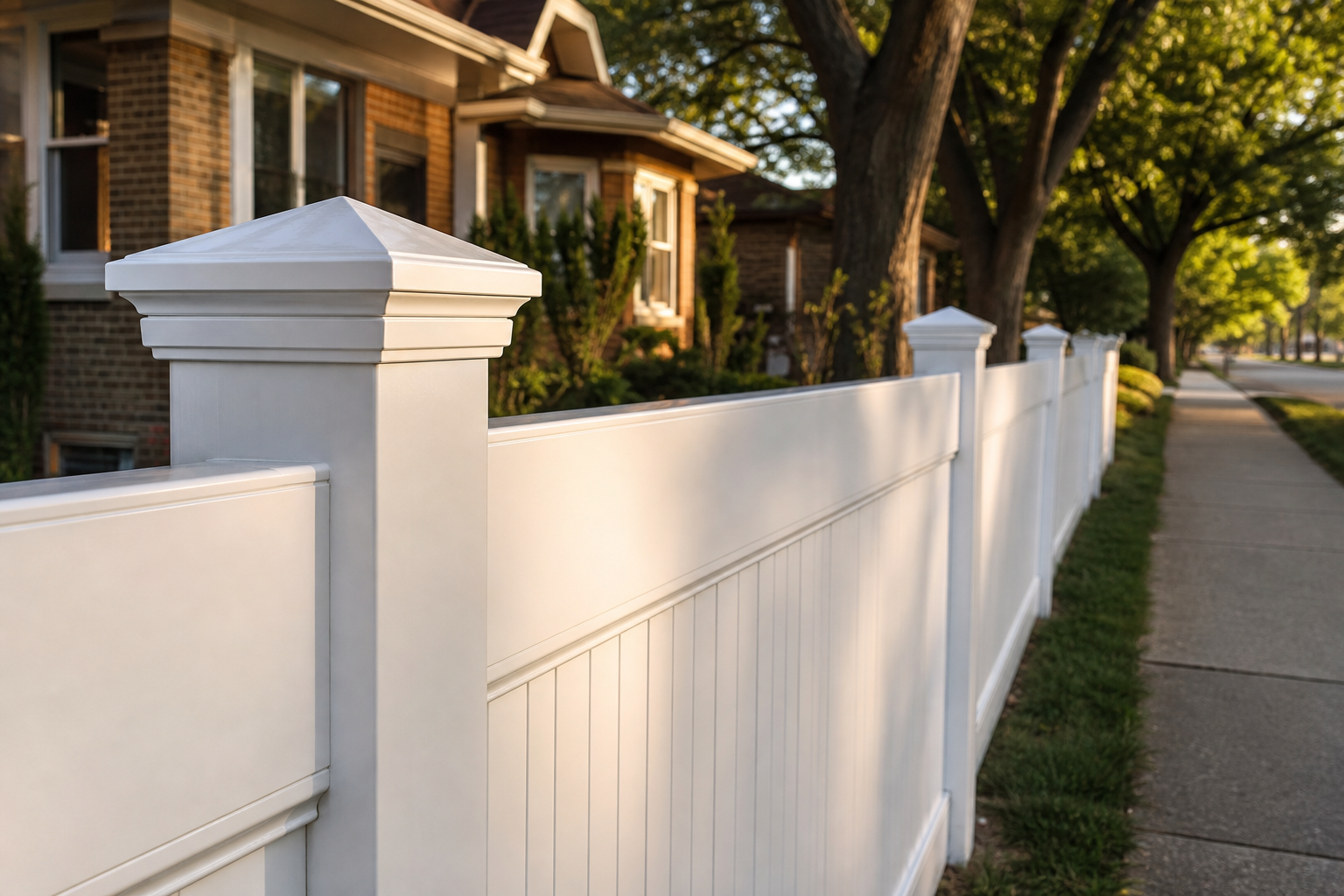
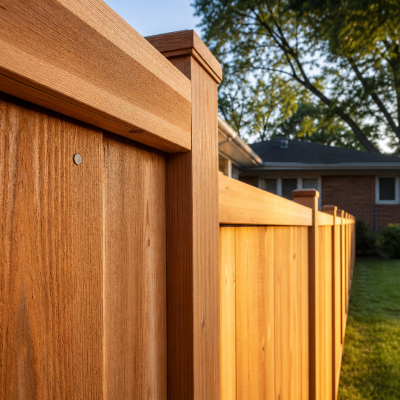
Wood wins when you want a natural look, custom heights and the option to stain or repair individual boards later, and wood fence installation in Skokie, IL is the most common choice for tight backyards and pool surrounds. Vinyl costs more up front but needs no painting or staining, which suits homeowners who prefer low maintenance and consistent color. Both deliver privacy; the decision usually comes down to budget, style and how much upkeep you want to handle.
-
When is chain link the right choice for a property?
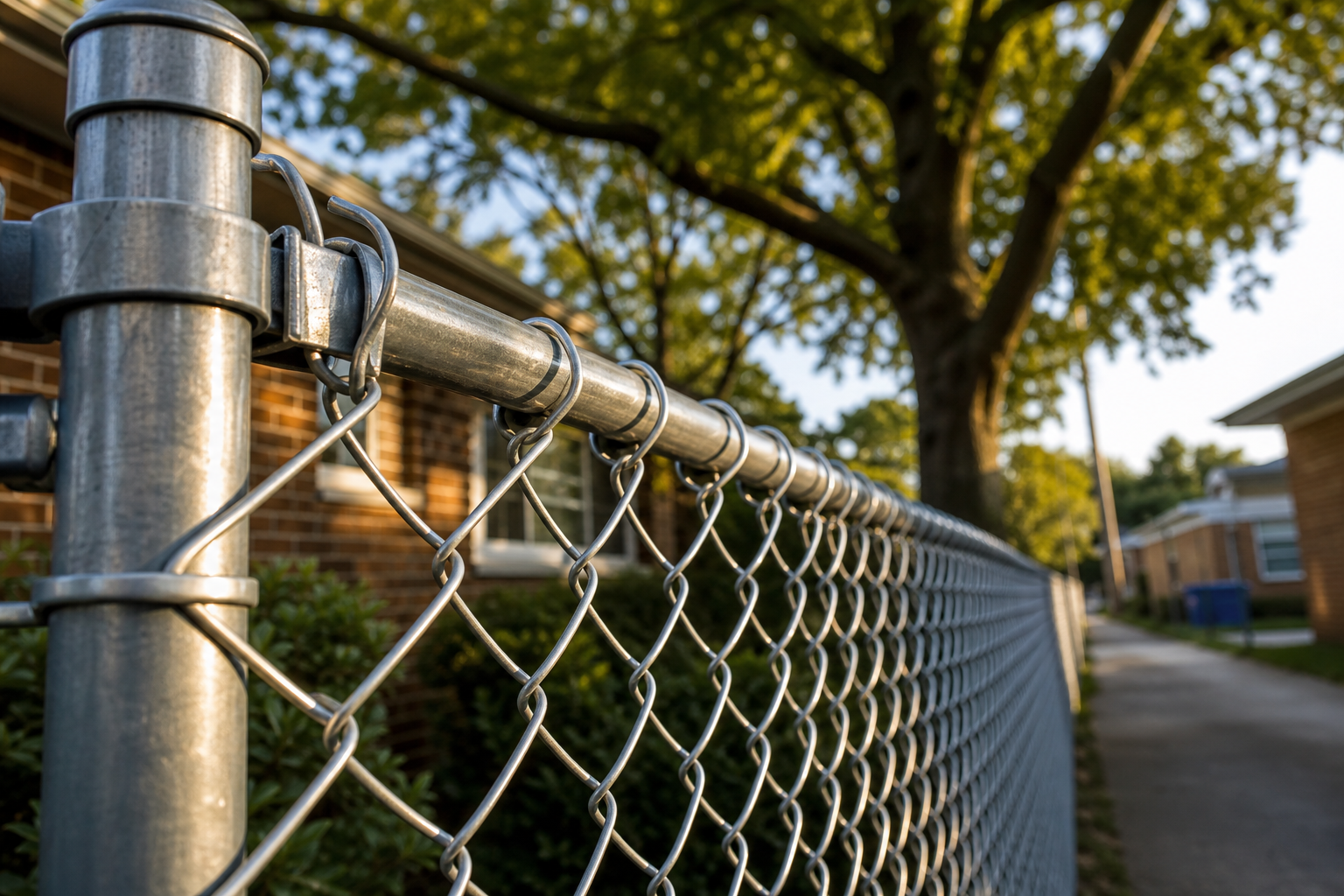
Chain link is usually the budget-smart perimeter option when you need boundary definition, visibility and durability more than privacy. It suits large backyards, side yards, dog runs, parking edges, storage yards and job sites, and it pairs well with gates and access control. If privacy becomes the goal later, slats or screens can be added. For a Skokie property, it is often the fastest way to enclose a lot without blocking sight lines.
-
Where do wrought iron, aluminum and steel fencing fit best?
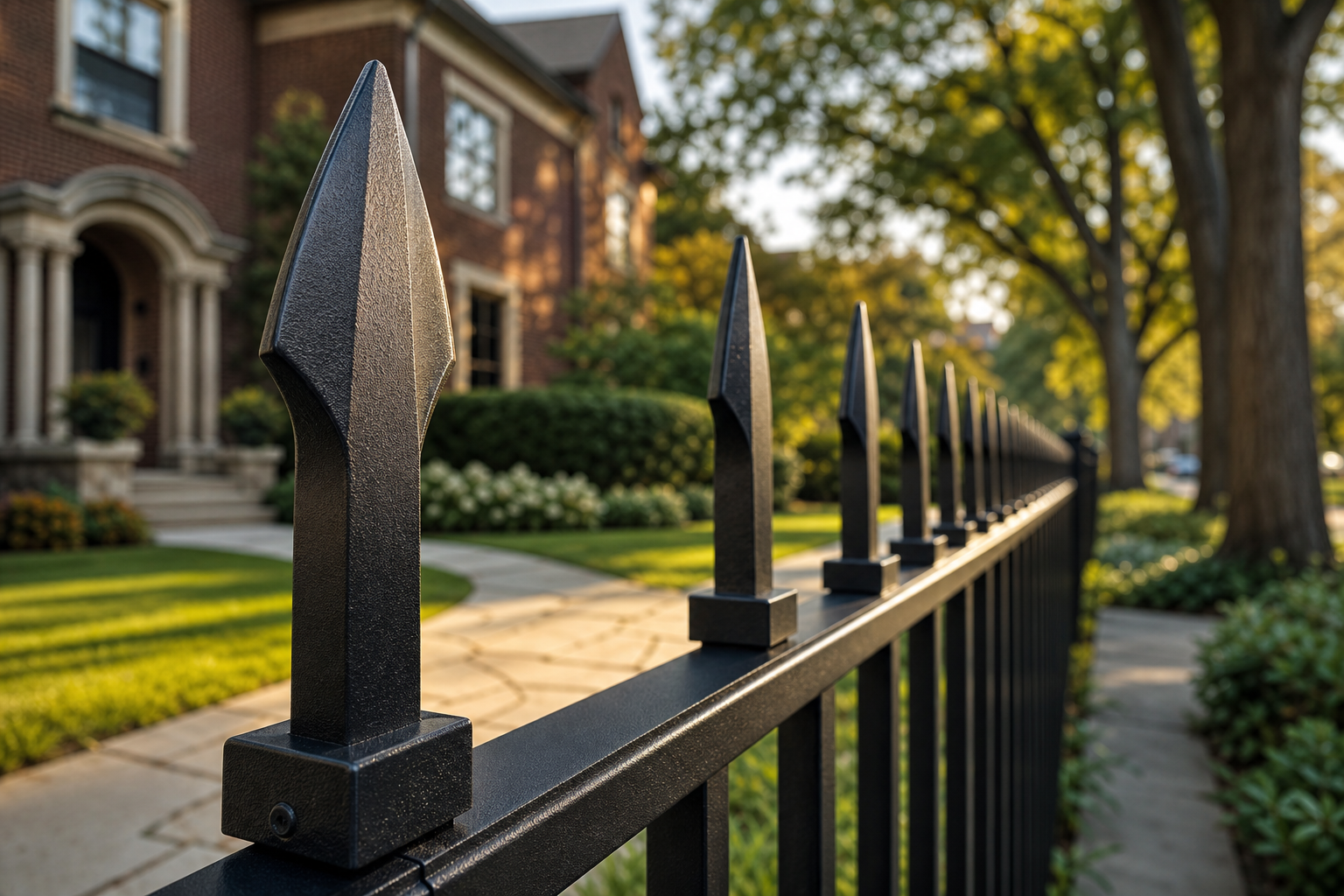
Wrought Iron Fence and Aluminum Fence are the front-yard choices when you want visibility, clean lines and a decorative look without a solid wall of panels. Aluminum resists rust better near moisture and is lighter to operate on gates. Steel Fencing is the heavier option when security and long service life matter most, such as loading areas or equipment compounds. All three pair naturally with automatic gates and access control.
-
What is the maximum fence height allowed in Skokie?
In a required yard, Skokie's zoning code generally allows a fence up to 6 feet from ground level unless a specific exception applies. Lower limits apply in some locations and taller limits exist for industrial situations, so the correct number depends on your zoning district and where the fence sits on the lot. Confirm the current limit for your address before ordering panels, because the allowed height often decides the material. Zoning source
-
How tall can a fence be along a side lot line in a residential area?
In a residential zoning district, a fence abutting another residentially zoned lot is limited to 5 feet when it runs along a side lot line or in a required side yard. Where a residential side or rear lot line abuts an industrial district, or an alley abutting an industrial district, the limit rises to 8 feet. These are separate exceptions, not general rules, so confirm which one matches your lot.
-
Are there height rules near driveways and intersections?
Yes. Within a sight distance triangle, fence height is limited to 30 inches from ground level so drivers and pedestrians can see each other at corners and driveway approaches. That is noticeably shorter than a typical privacy fence, so corner lots and homes near intersections need a layout designed around visibility rather than one uniform height. Plan this early, because changing heights after posts are set is costly.
-
Which way should fence posts and the finished side face?
Skokie's rules require fence posts and other supporting members to face the owner's side, or to be enclosed on two sides by the fencing. This is often called a good-neighbor rule, and it affects how panels are assembled before posts are set. Getting it right the first time avoids complaints and rework, especially along shared lot lines. It is worth confirming how the fence will look from your neighbor's side.
-
Are electric, barbed wire or razor wire fences allowed in Skokie?
Electrically charged fences are prohibited. Barbed wire, razor wire and injury-causing guards or barricades are also prohibited, with one narrow exception: barbed wire may be allowed on industrially zoned property when it sits at least 6 feet above ground level and extends inward toward the enclosed property. Residential properties should not plan on any of these. If security is the concern, steel fencing, tighter mesh and controlled gates are the workable alternatives.
-
Can you remove and dispose of an existing fence?
Yes. Replacement work typically starts with removing the old fence, pulling posts and footings, and hauling the material away. That step also reveals ground conditions, any buried obstacles and whether footing depth was adequate, which shapes the new layout. If you want to keep a section, such as a gate or a sound fence panel, mention it during the estimate so removal and reuse are planned together.
-
Can a new fence match an existing fence style?
Usually, yes. Matching is easier in wood, where board size, spacing, height and stain can be replicated, though older weathered wood may never match perfectly in color. Vinyl, aluminum and iron profiles vary by manufacturer, so matching an older run may require a close profile rather than an identical one. Photos of the existing fence, its height and a close-up of the post connection help confirm what is realistic.
-
Do you handle commercial fencing and parking screening?
Yes. Commercial projects often need perimeter definition, controlled access and visual screening for parking or loading areas. Skokie's off-street parking and loading standards allow solid board-on-board wooden fencing as screening, generally 5 feet high, or 4 feet in residentially zoned districts, so material and height are set by the standard rather than preference alone. Warehouses, retail sites, multifamily properties and contractors can review scope with gates and access control included.
-
Do you serve Skokie and the surrounding Cook County area?
Yes. Chicago Fence Builders installs residential and commercial fencing in Skokie and nearby Cook County communities, working with homeowners, landlords, property managers and businesses. Start with your address, approximate linear footage, preferred material, gate or access needs, photos and the nearest cross street, and the scope can be reviewed by phone before any site visit. You can also view the area on the Map of Skokie, IL.